Info
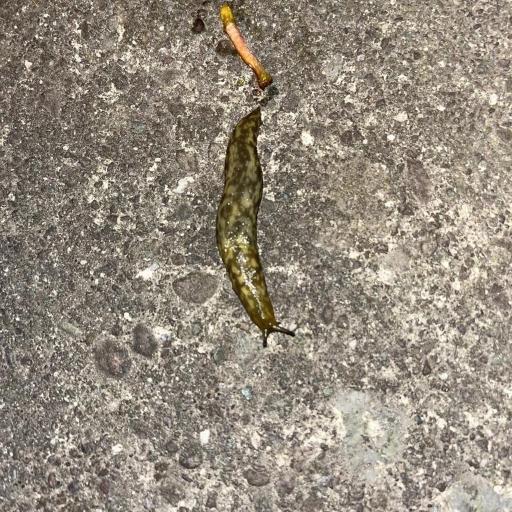
Often called the Green Cellar Slug or the Irish Slug, this gentle giant of the gastropod world is frequently mistaken for a common garden pest. Despite its somewhat "slimy" reputation, it is a master recycler that prefers the dark, damp corners of human habitations and old woodlands over your prized flowerbeds. Its mottled, camouflage-like skin makes it one of the most distinctive slugs found in temperate gardens.
🔍 How to Identify
- 🟢 Mottled Pattern: The body is covered in a beautiful but irregular blotchy pattern of yellow-green, grey, and dark olive, which helps it blend into moss and lichen.
- 🖋️ The Mantle: The "saddle" area behind the head is particularly grainy and lacks the distinct stripes found on other similar species like the Leopard Slug.
- 📏 Impressive Size: It is a large slug, often stretching out to 10–13 cm (4–5 inches) when moving, though it huddles into a rounded lump when resting.
- 🐌 Pale Underside: The "sole" or bottom of the slug is typically a uniform pale cream or white, without the dark borders seen in some relatives.
🌲 Habitat & Ecology
- 🏚️ Hidden Neighbors: True to its name, it loves "synanthropic" environments—meaning it likes living near humans. You’ll find it in damp cellars, stone walls, compost heaps, and under loose floorboards.
- 🍄 The Scavenger Diet: Unlike many slugs that devour fresh seedlings, Limacus maculatus is a detritivore. It primarily feeds on decaying organic matter, fungi, lichen, and even the mold growing on damp walls.
- 🌙 Nocturnal Wanderer: It is strictly nocturnal and highly sensitive to drying out, emerging only when the humidity is high to forage for food.
⚠️ Safety & Toxicity
- 🟢 Harmless to Humans: This slug does not bite, sting, or possess any venom. It is completely safe to observe.
- 🧼 Sticky Situation: It produces a very thick, yellowish slime as a defense mechanism. While not toxic, it is notoriously difficult to wash off skin and clothes!
- 🐶 Pet Caution: Like all terrestrial slugs, they can be intermediate hosts for the Lungworm parasite. Discourage dogs or cats from "playing with" or eating them, as this can lead to serious respiratory issues for pets.
✨ Fun Fact
The Green Cellar Slug is a "homing" creature! Research has shown that after a long night of foraging for mold and lichen, these slugs use their keen sense of smell to follow their own slime trails back to the exact same hiding spot or "den" every single morning.
More Details








