Info
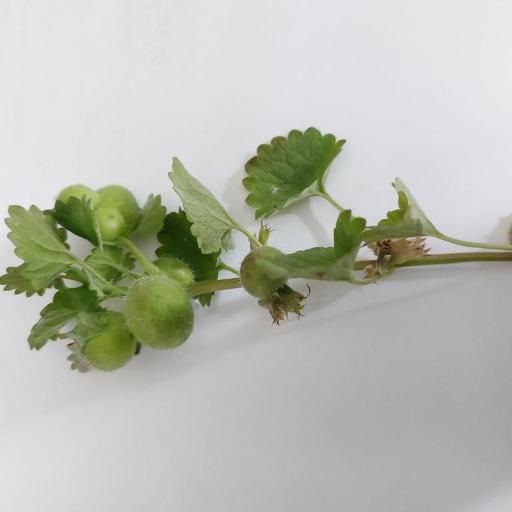
Often called the Ground Ivy Gall Wasp, this tiny insect is a master of biological manipulation. If you have ever noticed strange, fuzzy red "berries" or spherical bumps growing on the leaves of Creeping Charlie in your lawn, you have found the work of this miniature architect. Rather than building a nest, it "hacks" the plant’s DNA to force it to grow a custom nursery for its young.
🔍 How to Identify
- 🔴 The Galls: These are the most visible sign of the wasp. They are pea-sized, spherical growths on the leaves or stems of Ground Ivy. They start green and fuzzy, often turning a vibrant pink or deep red as they mature.
- 🐝 The Adult: The wasp itself is incredibly small (about 2–3 mm), dark-colored, and rarely seen by the naked eye. It looks like a tiny, harmless fly with delicate, translucent wings.
- 🏠 Inner Chamber: If you were to carefully slice a gall open, you would find a single, white, legless larva resting in a small, hollow central chamber.
🌲 Habitat & Ecology
- 🌿 Plant Specialist: This wasp is a "monophagous" species, meaning it is a picky eater. It is found exclusively on Glechoma hederacea (Ground Ivy). If you don't have this specific "weed" in your garden, you won't find the wasp.
- 🏗️ Chemical Engineering: When the female wasp lays her eggs, she injects a chemical cocktail that mimics plant hormones. This tricks the plant into diverting its nutrients to build the gall, providing the larva with both a fortress and a food source.
⚠️ Safety & Toxicity
- ✅ Status: Completely Harmless. Despite being a wasp, this species does not have a stinger for defense and cannot bite humans or pets. It is a "gall-maker," not a "stinger."
- 🌱 Plant Health: While the galls might look like a scary disease or a fungal infection, they are purely cosmetic. They rarely cause significant harm to the Ground Ivy, which is a hardy, fast-spreading plant anyway.
✨ Fun Fact
The interior of the gall is lined with special "nutritive tissue." The plant is manipulated into producing a layer of cells that are exceptionally high in proteins and fats—essentially, the wasp tricks the plant into providing its baby with a high-calorie, gourmet meal!
More Details








