Info
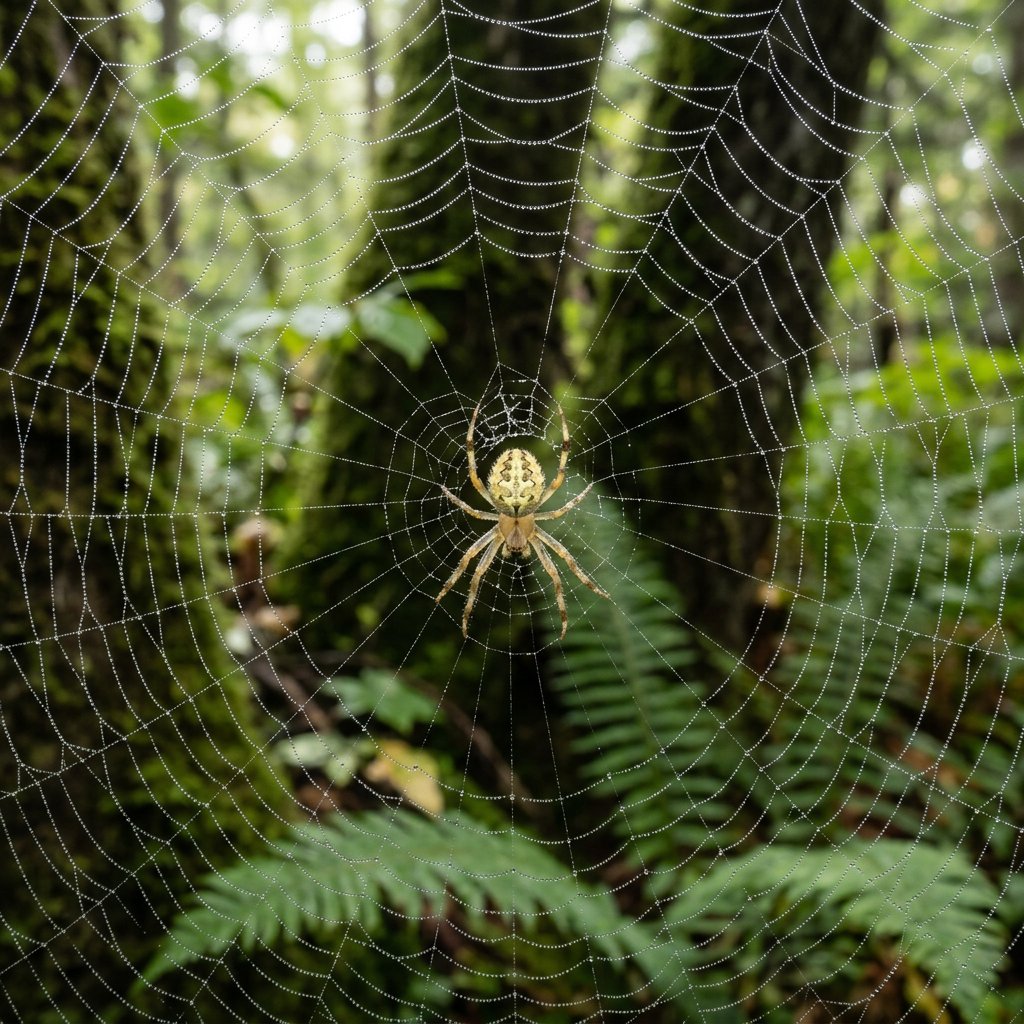
Often called the Tuft-legged Orbweaver, Mangora placida is a delicate and sophisticated architect of the meadow. This tiny spider is a welcome guest in any garden, acting as a natural pest controller while staying almost entirely out of sight. With its intricate patterns and "racing stripes," it looks like a miniature piece of porcelain hidden among the leaves.
🔍 How to Identify
- 🕷️ Abdomen Patterns: Look for a creamy white or pale yellow abdomen marked with three distinct dark, longitudinal lines that converge toward the back.
- 🦵 The "Tufted" Legs: Its most unique feature is a row of very fine, stiff hairs (trichobothria) on the third pair of legs, which look like tiny bristles under a magnifying glass.
- 🕸️ The Web Design: It weaves a classic, circular "orb" web that is incredibly dense with many radii (spokes), often built low to the ground in shaded areas.
🌲 Habitat & Ecology
- 🌿 Garden Role: This spider is a definitive "friend" to gardeners. It stays outdoors in low-lying shrubs, tall grasses, and forest edges, where it catches small flying insects like gnats and leafhoppers.
- ☀️ Diurnal Hunter: Unlike many spiders that hide during the day, Mangora placida is often found sitting right in the center of its web during daylight hours, waiting for a vibration.
⚠️ Safety & Toxicity
- ✅ Harmless Ally: This species is entirely non-aggressive. Even if provoked, its fangs are generally too small to penetrate human skin.
- 🐾 Pet & Child Safe: There is no medical concern for humans or household pets. It is a docile creature that prefers to drop to the ground and hide if it feels threatened.
✨ Fun Fact
The "tufts" of hair on its legs aren't just for show—they function like high-tech sensors. These hairs are so sensitive to air movement that the spider can actually "feel" the wingbeats of an approaching insect before it even touches the web!
More Details








