Info
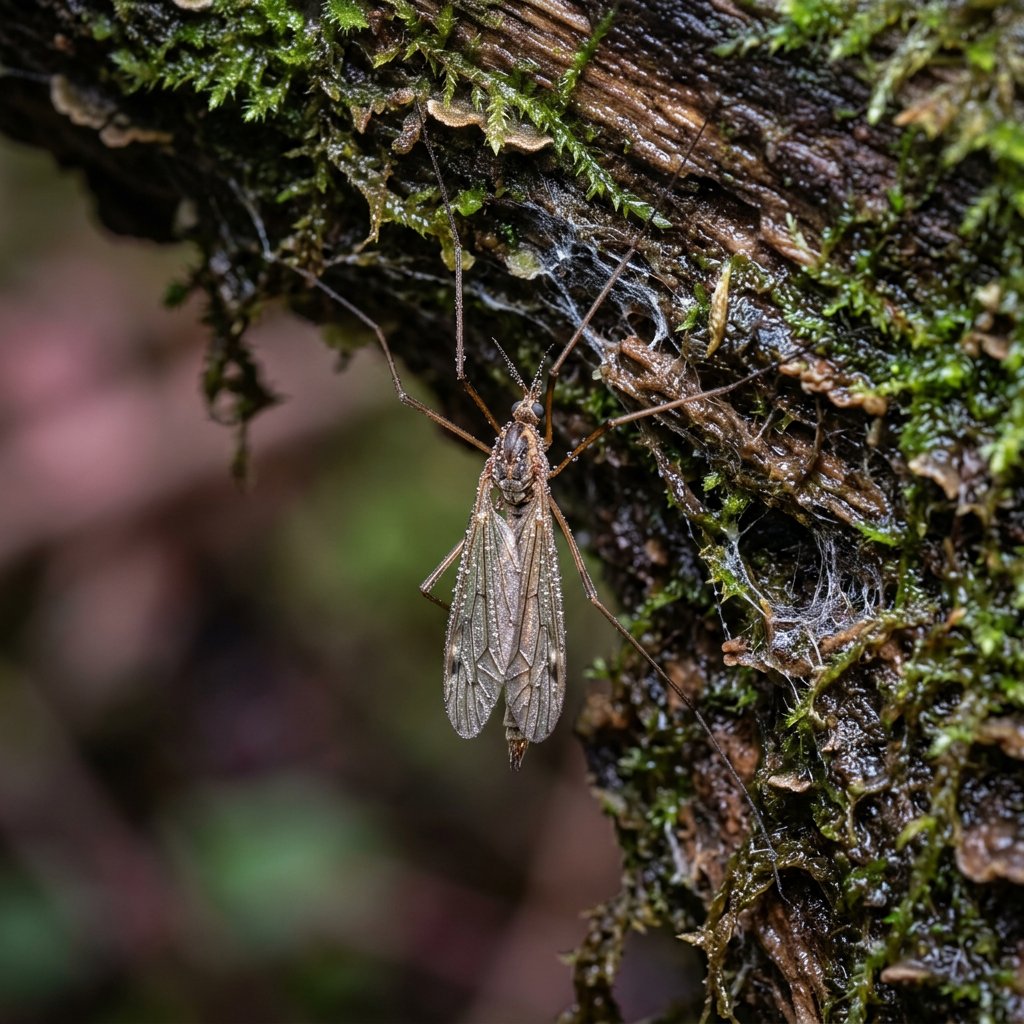
Often mistaken for oversized mosquitoes or "leggy gnats," the Molophilus is a genus of delicate crane flies that prefer the cool shadows of the undergrowth. These insects are the ultimate pacifists of the garden, spending their short adult lives performing rhythmic aerial dances. Though their long legs might look intimidating to some, they are entirely harmless "gentle giants" of the fly world.
🔍 How to Identify
- 🪽 Fringed Wings: A key feature of this genus is the presence of fine, hair-like fringes along the veins and edges of their wings, giving them a slightly "fuzzy" appearance.
- 🦵 Stilt-like Legs: They possess incredibly long, fragile legs that are often several times the length of their slender bodies.
- 📏 Diminutive Stature: Unlike the giant crane flies that famously bump into ceiling lights, Molophilus species are typically much smaller, often looking like large, delicate gnats.
🌲 Habitat & Ecology
- 💧 Moisture Seekers: You will most likely encounter them in damp, shaded environments, such as mossy creek banks, wet woodlands, or boggy garden corners.
- 💃 The Aerial Lek: At dusk, males often congregate in small swarms, "dancing" or bobbing up and down in the air to attract a mate.
- 🍂 Nature’s Recyclers: As larvae (often called "leatherjackets" in related species), they live in moist soil or leaf litter, helping break down organic matter and returning nutrients to the earth.
⚠️ Safety & Toxicity
- 🛡️ Completely Harmless: Molophilus flies are a "friend" to humans. They lack a stinger and their mouthparts are physically incapable of biting.
- 🐾 Safe for Pets: They carry no venom or toxins. If a curious cat or dog catches one, the only "danger" is to the fly itself, which is extremely fragile.
✨ Fun Fact
To escape a predator's grasp, a Molophilus crane fly can voluntarily shed its own legs—a process known as autotomy. The detached leg will often continue to twitch for several seconds, distracting the predator while the fly escapes on its remaining limbs!
More Details








