Info
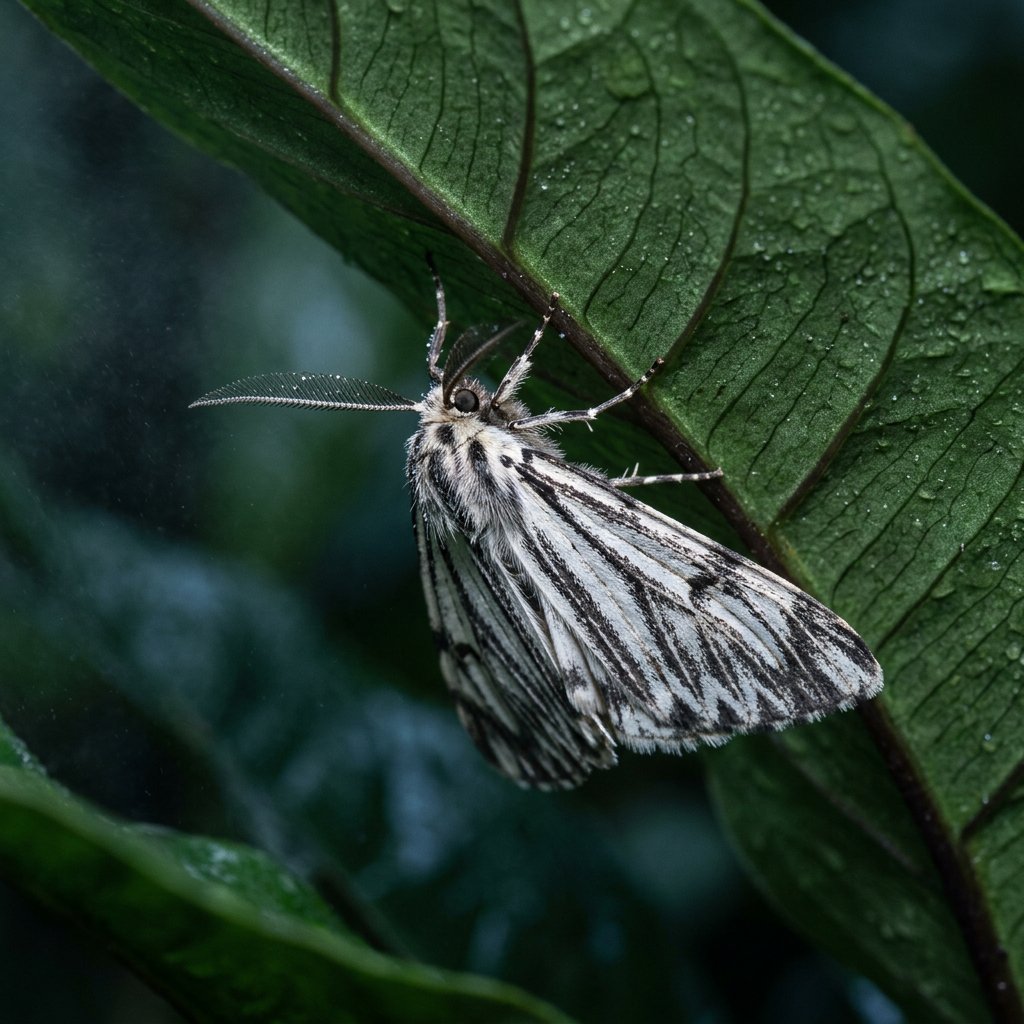
Often called the Marbled White Moth or Wood Nymph, Nyctemera adversata is a striking day-flying moth that frequently confuses observers into thinking it’s a delicate butterfly. With its high-contrast "magpie" aesthetic and fluttering, rhythmic flight, it adds a touch of monochrome elegance to gardens across Asia. They are proud members of the tiger moth subfamily, famous for using bold patterns to signal their secret defenses.
🔍 How to Identify
- 🦋 The Wings: Large, creamy white wings decorated with irregular, smoky black or dark brown patches that look like artistic ink splatters.
- 🟡 The Abdomen: A vibrant yellow or orange-gold body marked with distinct black horizontal stripes, which peeks out when the moth is in flight.
- 🎭 The Flight: Unlike the erratic zig-zag of many moths, this species has a slow, deliberate, and almost "lazy" fluttering style, which it uses to show off its warning colors.
🌲 Habitat & Ecology
- ☀️ Daytime Activity: This moth breaks the "nocturnal" stereotype; it is strictly diurnal. You will find it most active in the bright morning sunlight, dancing around forest edges and low-lying shrubs.
- 🍃 Toxic Diet: As caterpillars, they are specialists that feed on plants in the Senecio (Groundsel) family. They cleverly "steal" toxins from these plants, storing them in their bodies to become unpalatable to birds.
- 🗺️ Regional Range: They are common sights in East and Southeast Asia, flourishing in everything from humid tropical gardens to temperate mountain foothills.
⚠️ Safety & Toxicity
- 🧪 Chemical Defense: The adult moth is not aggressive and cannot bite or sting. However, it is chemically protected. If a predator (or a curious pet) tries to eat one, it releases a foul-tasting fluid that can cause nausea.
- 🐛 Larval Irritation: The caterpillars are covered in dense, dark hairs. While not considered "stinging" caterpillars, these hairs can cause mild skin irritation or an itchy rash on sensitive skin.
- 🐾 Pet Safety: It is best to discourage dogs or cats from "snacking" on these moths, as the sequestered plant toxins can lead to an upset stomach.
✨ Fun Fact
The bright yellow and black stripes on its belly are a biological "Stop Sign" known as aposematism. This visual code tells predators, "I might look pretty, but I taste like a bitter medicine cabinet!" This defense is so effective that other harmless insects sometimes evolve to look just like them to stay safe.
More Details








