Info
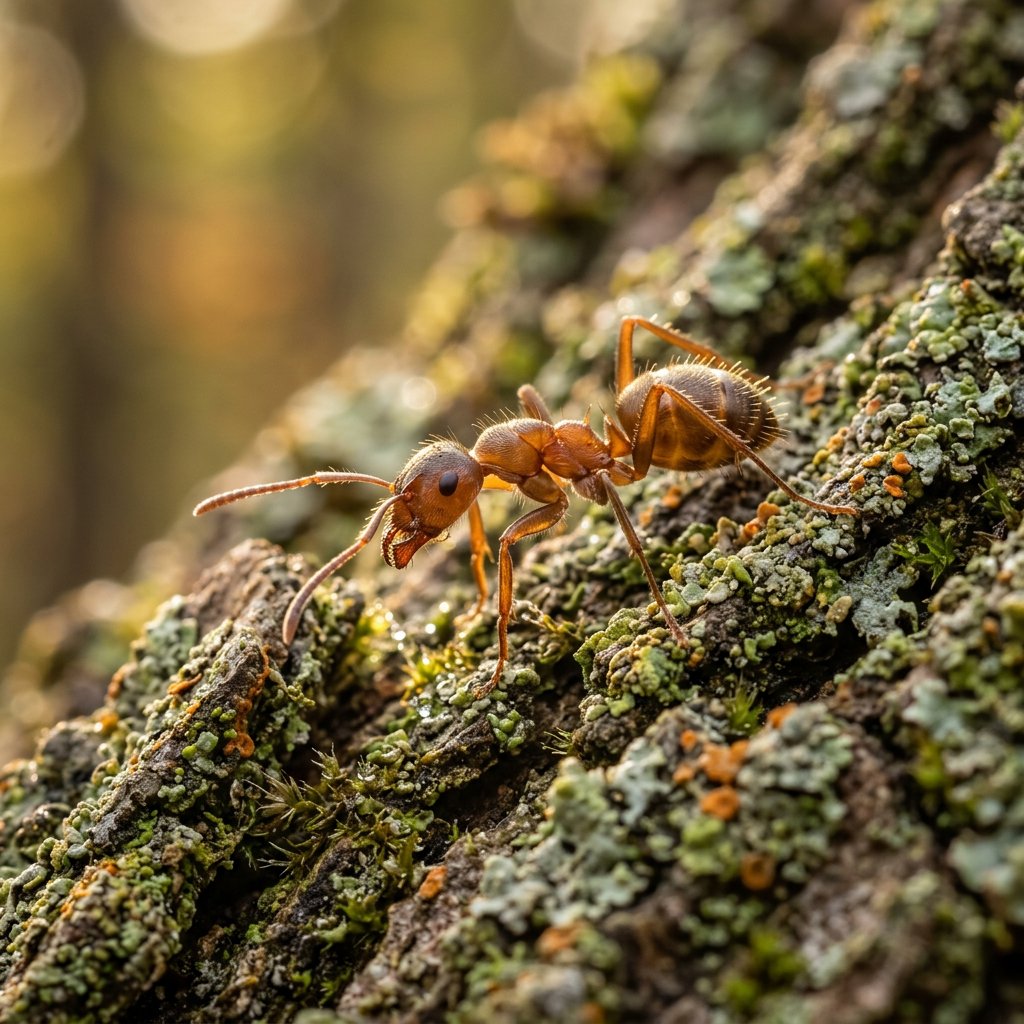
Known as the "Tawny Crazy Ant," Nylanderia fulva is a small, invasive force that has baffled researchers for years. True to their name, these ants don't move in orderly, linear lines like typical ants; instead, they display a chaotic, erratic, and frantic wandering pattern that makes them appear as if they are lost or distressed.
🔍 How to Identify
- 🟤 Coloration: These ants are reddish-brown to brownish-black and measure only about 1/8 of an inch in length.
- 🐜 Body Shape: They feature a "humpbacked" appearance due to the structure of their thorax and possess long legs and antennae that make them appear larger than they actually are.
- 💨 Movement: The most reliable way to identify them is by watching their movement; while other ants trail in straight lines, Nylanderia move in rapid, jerky, and swirling patterns.
🌲 Habitat & Ecology
- 🌍 Adaptation: Originally from South America, these ants have thrived in human-altered environments, showing a preference for warm, moist climates. They are notorious for nesting in everything from rotting logs and mulch to the crevices of electrical equipment.
- ♻️ Ecosystem Impact: They are highly competitive scavengers and predators. They often displace native ant species entirely, disrupting local food webs and becoming a significant nuisance for homeowners by clogging HVAC systems and utility boxes with their large, nest-building congregations.
⚠️ Safety & Toxicity
- 🚫 Status: While they do not have a functional stinger, they are highly aggressive when disturbed.
- 🐜 Details: They do not pose a direct venomous threat to humans or pets; however, their sheer numbers can cause significant distress. Because they are drawn to electrical currents, they can cause short circuits in appliances, leading to costly property damage and secondary fire hazards.
✨ Fun Fact
- ⚡ Electrical Attraction: Scientists are still researching exactly why Nylanderia ants are attracted to electrical equipment. The current theory suggests they are either seeking warmth or are agitated by the electromagnetic fields generated by the wiring, which unfortunately triggers a distress pheromone that attracts even more ants to the site, leading to a "death trap" cycle.
More Details








