Info
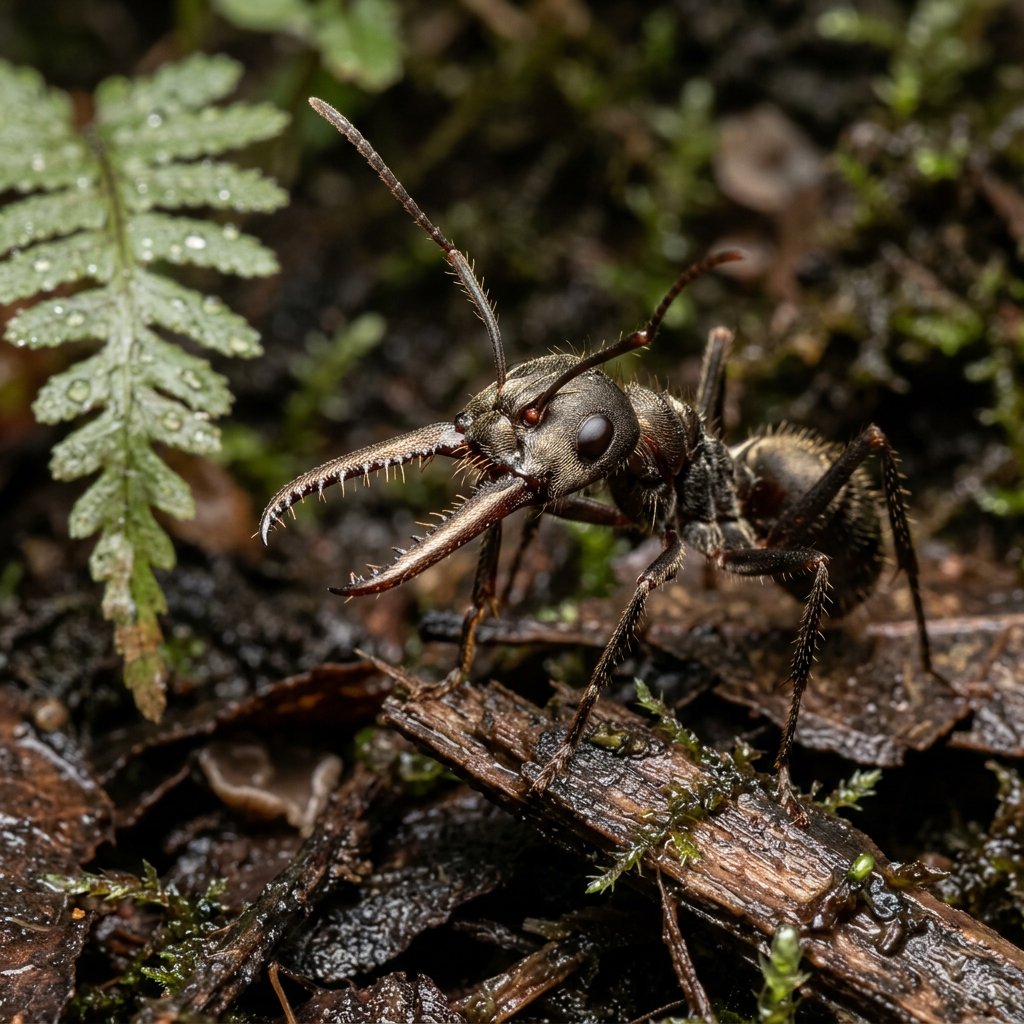
Meet the tiny ninjas of the leaf litter: the Trap-jaw Ants of the genus Odontomachus. Known for having some of the fastest-moving appendages in the animal kingdom, these ants are highly specialized predators that look like they stepped out of a sci-fi movie. While their massive, spring-loaded mandibles might look intimidating, they are fascinating beneficial insects that act as natural pest controllers in tropical and subtropical environments.
🔍 How to Identify
- ⚔️ The Mandibles: Their most striking feature is a pair of long, straight jaws that can lock open at a 180-degree angle, ready to snap shut like a high-speed bear trap.
- 🐜 Body Shape: They have a sleek, elongated head designed to house the powerful muscles required for their "trap-jaw" mechanism, typically paired with a slender, reddish-brown to dark chocolate-colored body.
- 👀 Sensory Hairs: If you look very closely, you’ll see fine trigger hairs on the inside of their jaws; once these are touched, the "trap" is instantly sprung.
🌲 Habitat & Ecology
- 🍂 Leaf Litter Hunters: These ants are usually found nesting in soil, rotting wood, or under leaf litter. They are solitary hunters, prowling the ground for termites, spiders, and other small invertebrates.
- 🚀 The "Escape Jump": Their jaws aren't just for hunting. If a Odontomachus ant feels threatened by a larger predator, it can snap its jaws against the ground, propelling itself several inches into the air to make a quick getaway.
- 🏡 Garden Role: They are generally considered "friends" to gardeners because they aggressively hunt common pests, though they prefer wilder, shaded areas over manicured lawns.
⚠️ Safety & Toxicity
- 🐝 Status: Biting and Stinging Capability.
- 🩹 Details: While the "snap" of their jaws is loud enough to be heard by human ears, it rarely breaks the skin. However, like many ants, they possess a functional stinger at the end of their abdomen. The sting can be painful—similar to a mild wasp sting—and may cause localized swelling or itching. Keep curious pets and children away from their nesting sites to avoid a "pinch and a poke."
✨ Fun Fact
The snap of a Trap-jaw Ant's mandibles is one of the fastest movements in the entire animal kingdom, reaching speeds of up to 145 miles per hour (230 km/h) in just a fraction of a millisecond!
More Details








