Info
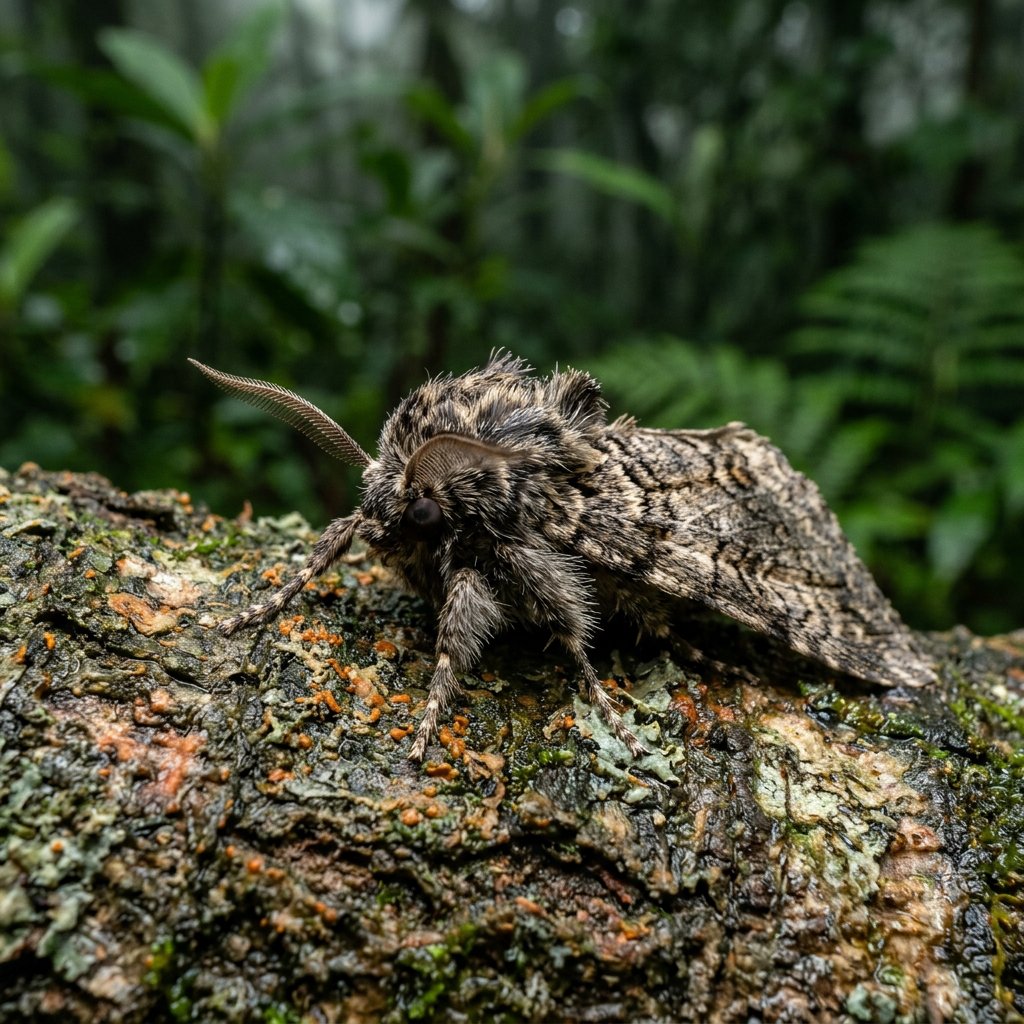
Meet the Brown Tussock Moth, a master of disguise and a fuzzy garden resident commonly found throughout Asia. While the adult moth is a modest, earthy-toned flyer that blends perfectly with tree bark, its larval stage is a visual spectacle. These caterpillars are famous for their elaborate "tussocks"—dense, brush-like tufts of hair that make them look like tiny, animated scrubbing brushes crawling through the foliage.
🔍 How to Identify
- 🐛 The "Tussocks": Look for four distinct, upright tufts of yellowish or brown hair on the caterpillar's back, which resemble the bristles of a toothbrush.
- 🎨 Cryptic Wings: The adult moths are medium-sized with grayish-brown forewings marked by wavy, dark lines, allowing them to vanish against the texture of a tree trunk.
- 🖌️ Hair Pencils: The caterpillars feature long "pencils" of dark hair protruding from the front (near the head) and the rear, giving them a symmetrical, elongated appearance.
🌲 Habitat & Ecology
- 🍂 A Generalist Eater: These caterpillars are polyphagous, meaning they aren't picky eaters. They are often spotted munching on the leaves of mango, coffee, castor, and various ornamental garden roses.
- 🛡️ Defense Strategy: When threatened, the caterpillar may curl into a ball or remain perfectly still, relying on its irritating hairs to discourage birds and lizards from taking a bite.
⚠️ Safety & Toxicity
- 🚫 Status: Do not touch! The caterpillar is covered in urticating (stinging) hairs that can cause "caterpillar dermatitis."
- 🧤 Skin Irritation: Contact with the hairs can lead to an itchy, red rash, or localized swelling. If you find one on your clothing, use a stick or gloves to move it—avoid using your bare hands.
- 🐾 Pet Safety: Keep curious dogs and cats away from these fuzzy larvae, as the hairs can cause significant irritation to a pet's nose, mouth, or paws.
✨ Fun Fact
The name "Tussock" actually comes from an Old English word for a tuft of grass or hair. It’s an incredibly fitting name for a creature that spends its youth looking like a walking patch of decorative turf!
More Details








