Info
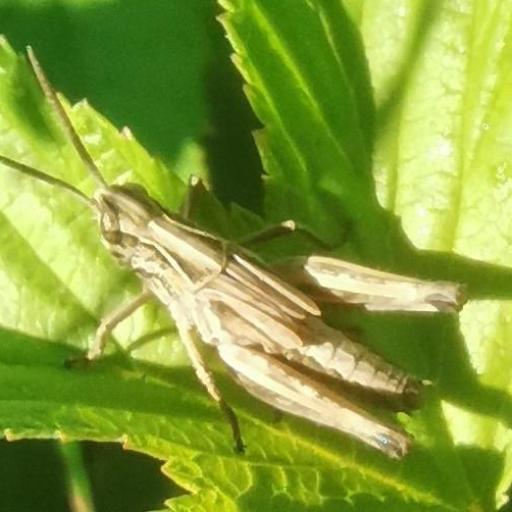
Often called the Common Green Grasshopper, this little insect is the quintessential soundtrack of a European summer afternoon. While many grasshoppers rely on dusty brown camouflage, this species is famous for its vibrant green coat that makes it nearly invisible among blades of fresh grass. It is a peaceful "friend" of the meadow, known more for its rhythmic "song" than for any mischief.
🔍 How to Identify
- 🟢 Vibrant Camouflage: Usually a bright, uniform leaf-green, though some individuals may have brown or even purplish-pink stripes along their sides.
- 📐 Slender Profile: It has a long, elegant body with wings that typically reach or slightly exceed the end of its abdomen.
- 🎵 The "Clockwork" Song: The most reliable way to identify it is by ear; males produce a long, rapid ticking sound (stridulation) that can last up to 20 seconds, resembling a fast-wound clock.
🌲 Habitat & Ecology
- 🌾 The Grassland Grazer: As a strict herbivore, it spends its days munching on various grasses. It plays a vital role in the ecosystem by recycling nutrients and serving as a high-protein snack for birds and frogs.
- 💧 Moisture Seeker: Unlike many grasshopper species that thrive in parched, dry soil, Omocestus viridulus prefers lush, damp meadows, moorlands, and even high-altitude hillsides where the grass stays green.
⚠️ Safety & Toxicity
- 🛡️ Completely Harmless: This insect is a "friend" to gardeners and hikers alike. It has no stinger and its mouthparts are designed for grass, not biting humans.
- 🚫 Pet & Child Safe: It is non-toxic and poses no threat to curious pets or children. Its only defense is its powerful back legs, which it uses to catapult itself away from danger at high speeds.
✨ Fun Fact
Grasshoppers like this one don’t hear with ears on their heads—their "ears" (called tympanal organs) are actually located on the sides of their abdomen, tucked right underneath their wings!
More Details








