Info
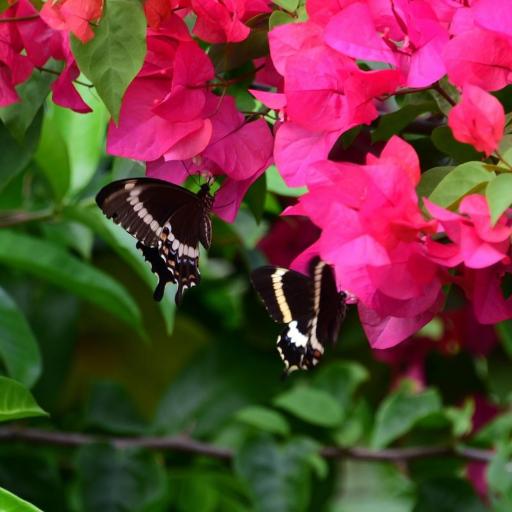
Often referred to as the Fuscous Swallowtail or the Canopus Swallowtail, this butterfly is a master of shadows and subtle beauty. Found gliding through the tropical forests and gardens of Australia and Southeast Asia, it is one of the larger "swallowtail" species that nature lovers often mistake for a large moth due to its deep, earthy tones. Despite its somewhat somber name, it is a vital pollinator that brings a touch of prehistoric elegance to any backyard citrus grove.
🔍 How to Identify
- 🦋 The Wings: These butterflies feature a large wingspan (up to 10cm) with a base color of rich, chocolatey brown or velvety black. A distinctive creamy-white or pale yellow band stretches across the hindwings.
- 🖌️ The "Tails": Look for the elegant extensions on the back of the hindwings, which give the "Swallowtail" family its name. These look like delicate rudders that help them maneuver through thick foliage.
- 🐛 The Larvae: In their early stages, the caterpillars are masters of disguise, mimicking bird droppings to avoid predators. As they grow, they transform into bright green larvae with large, eye-like markings to scare off hungry birds.
🌲 Habitat & Ecology
- 🍋 The Citrus Connection: The Fuscous Swallowtail is often found hovering around Lemon, Lime, and Orange trees. This is because their larvae feed exclusively on the leaves of the Rutaceae family. While they might nibble a few leaves, they are generally considered a "friend" to the garden rather than a pest.
- 🌸 Diet & Movement: As adults, they are high-energy flyers that frequent nectar-rich flowers. They are particularly fond of Lantana and Ixora, where they use their long proboscis to sip sugar while their wings beat rapidly to stay balanced.
⚠️ Safety & Toxicity
- 🛡️ Non-Threatening: The Fuscous Swallowtail is completely harmless to humans. It does not bite or sting, and its presence in your garden is a sign of a healthy ecosystem.
- 👃 Stinky Defense: If you disturb the caterpillar, it might extend a bright orange, forked organ called an osmeterium from its head. This releases a pungent, vinegar-like smell to drive away predators, but it is not toxic to humans or pets.
✨ Fun Fact
The Fuscous Swallowtail's transition from looking like a "bird dropping" to a "magnificent green dragon" is one of the most drastic camouflage shifts in the insect world—it’s the ultimate survivalist makeover!
More Details








