Info
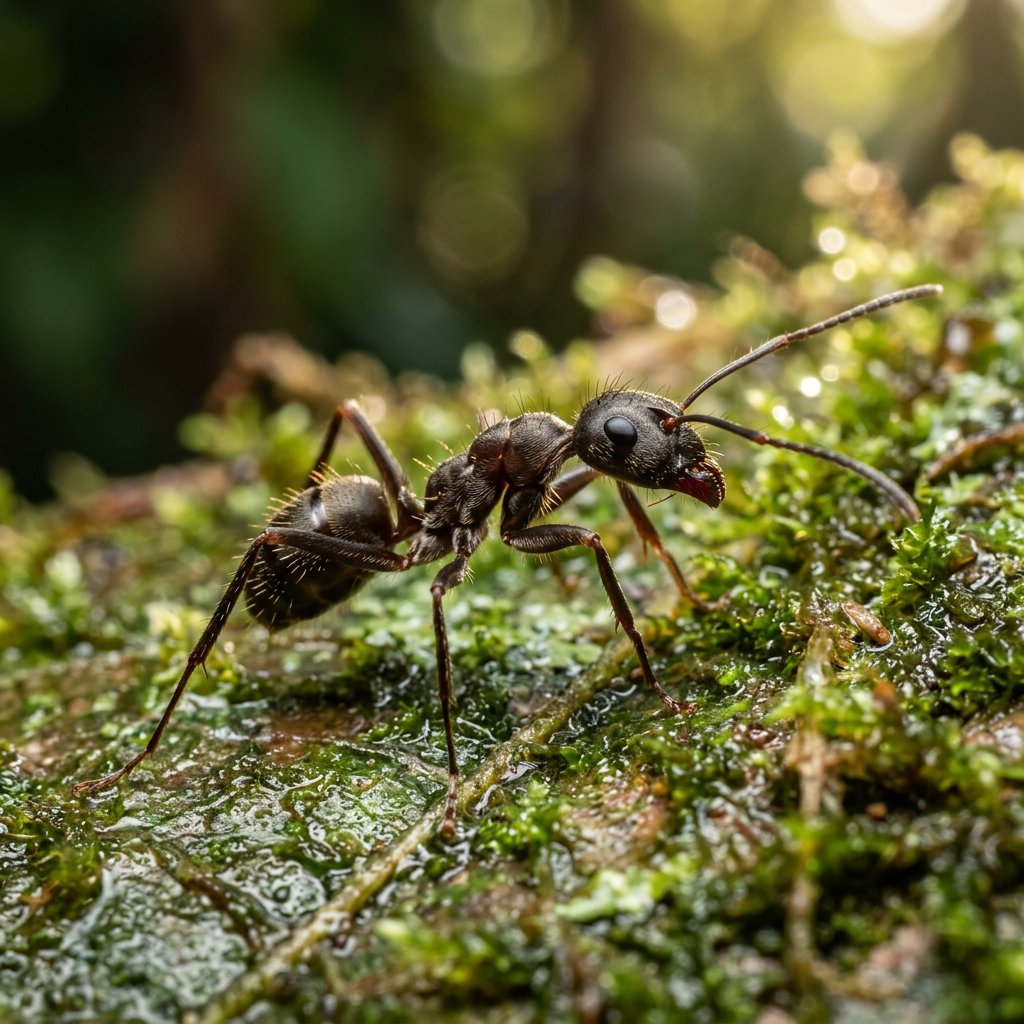
Known as the Longhorn Crazy Ant, this tiny traveler earned its name from its frantic, erratic movement patterns. Unlike most ants that march in a disciplined line, the Crazy Ant zig-zags and circles as if it’s lost its way—though this chaos is actually a clever foraging strategy. This species is one of the most widespread invasive ants in the world, often hitchhiking in cargo and potted plants to settle in new territories.
🔍 How to Identify
- 🐜 Long Antennae: Their most defining feature is the pair of 12-segmented antennae that are remarkably long, often appearing longer than their own heads.
- 🏃 Spindly Legs: They possess very long, thin legs that allow them to move with incredible speed and agility compared to other ant species.
- 🌑 Color & Texture: Their bodies are typically dark brown to black, with a faint bluish or grayish metallic luster when viewed under bright light.
🌲 Habitat & Ecology
- 🍽️ The Ultimate Scavenger: They are "generalists," meaning they aren't picky eaters. They will feast on everything from sugary nectar and honeydew produced by aphids to dead insects and household scraps.
- 🏚️ Opportunistic Nesting: They don't build complex mounds. Instead, they squeeze into tight spaces like wall voids, under rocks, or even inside electrical equipment, which can unfortunately cause short circuits.
- 🗺️ Global Wanderer: While they thrive in tropical climates, they have adapted to live indoors in colder regions, making them a common sight in greenhouses and apartments worldwide.
⚠️ Safety & Toxicity
- 🛡️ Status: Low physical risk to humans, but a high-level nuisance.
- 🤏 Biting & Stinging: They do not have a functional stinger. While they can technically bite, it is rarely painful. However, they can spray a tiny amount of formic acid from their abdomen if they feel threatened, which might cause mild irritation.
- 🐾 Pet Safety: They are harmless to pets, though their massive numbers can be annoying to animals if the ants find their way into food bowls.
✨ Fun Fact
The Longhorn Crazy Ant’s "erratic" walking style is actually a superpower; by not following a strict pheromone trail like other ants, they can find scattered food sources much faster and avoid being easily targeted by predators!
More Details








