Info
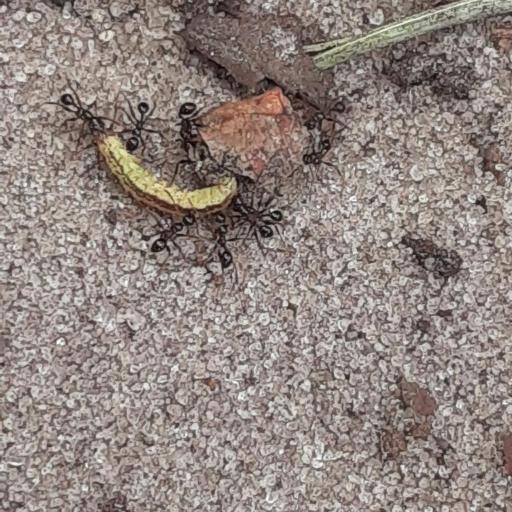
Often called the Dark Big-headed Ant, this South American native has become a formidable resident of the Southeastern United States. While they might look like your average garden ant at a distance, their complex social structure and "big-headed" soldiers make them fascinating survivors. They are gritty, adaptable, and one of the few species that can actually hold their ground against the infamous Fire Ant.
🔍 How to Identify
- 🧠 Head Dimorphism: The most striking feature is the "Major" worker (the soldier), which possesses a massive, heart-shaped head designed for cracking seeds and defending the colony.
- 🎨 Deep Coloration: As the name obscurithorax suggests, these ants are a rich, dark reddish-brown to nearly black, distinguishing them from their lighter-colored relatives.
- 📏 Two-Tiered Workforce: In a single trail, you will see two distinct sizes: tiny, slender "Minors" that do the foraging and the hulking "Majors" that guard the nest.
🌲 Habitat & Ecology
- 🏙️ Urban Adapters: These ants thrive in "disturbed" environments. You are most likely to find them under sidewalk cracks, near garden borders, or in the soil of potted plants.
- 🍴 Generalist Scavengers: They are the cleanup crew of the insect world. They hunt small invertebrates, gather oily seeds, and are highly attracted to the honeydew produced by aphids.
- ⚔️ Ecological Rivalry: In the Southern US, they are considered a "tough neighbor." They are known to aggressively compete with invasive Fire Ants, often winning territory through sheer numbers and persistence.
⚠️ Safety & Toxicity
- 🛡️ Low Risk: While the "Majors" have large, intimidating mandibles, they are not naturally aggressive toward humans or pets.
- 🤏 The "Pinch": If you pick one up, a soldier might give you a tiny pinch. However, unlike Fire Ants, they do not possess a functional stinger and do not inject venom.
- 🏠 Nuisance Status: They are primarily a "nuisance" pest. While they may occasionally wander indoors looking for crumbs, they do not cause structural damage like carpenter ants.
✨ Fun Fact
Despite their small size, Pheidole obscurithorax colonies are master architects. Their underground nests can sometimes reach depths of over two meters (6.5 feet) to escape the heat and find moisture during dry seasons!
More Details








