Info
Often called the Guava Skipper or the dramatic Bloody Spot, Phocides polybius is one of the most striking members of the skipper butterfly family. It looks less like a delicate garden fairy and more like a high-end velvet cloak adorned with neon jewels. Found primarily in the tropical Americas and South Texas, this insect is a fast-moving flash of metallic blue and deep crimson.
🔍 How to Identify
- 🔴 The "Bloody Spot": The most iconic feature is a bright red or orange-red patch at the base of the forewings, which stands out sharply against its dark body.
- 💎 Iridescent Streaks: The wings and body are washed in a shimmering metallic teal or cobalt blue, which glows when the sun hits it at the right angle.
- ✈️ Robust Build: Unlike "typical" butterflies, this skipper has a thick, muscular body and large eyes, giving it a moth-like appearance and a very powerful flight.
🦋 Habitat & Behavior
- 🌿 The Guava Connection: As its name suggests, this butterfly is obsessed with Guava trees (Psidium guajava). Females lay their eggs on the leaves, which serve as the primary food source for the growing larvae.
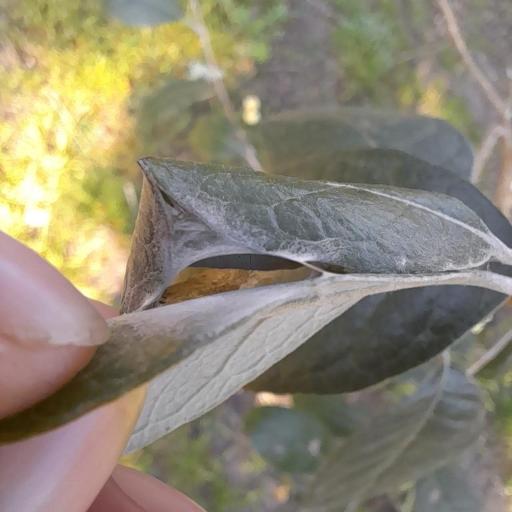
- 🏠 Architectural Caterpillars: The larvae are expert builders. They cut and fold guava leaves, "sewing" them together with silk to create a private, protective sleeping bag where they hide from predators during the day.
- ⚡ Erratic Flight: If you see a dark shape "skipping" through the air with incredible speed and sudden changes in direction, you’re likely watching a Guava Skipper defending its territory or searching for nectar.
⚠️ Safety & Toxicity
- ✅ Harmless Friend: The Guava Skipper is completely safe for humans, children, and pets. It does not bite or sting.
- 🐛 Garden Impact: While the caterpillars eat guava leaves, they rarely do enough damage to kill a healthy tree. They are generally considered a minor "aesthetic" pest rather than a threat to your harvest.
✨ Fun Fact
The Guava Skipper caterpillar looks absolutely nothing like the adult! While the butterfly is dark and metallic, the caterpillar is famously "Zebra-striped" with bold black and white rings and a bright red head, a classic example of warning coloration in the insect world.
More Details








