Info
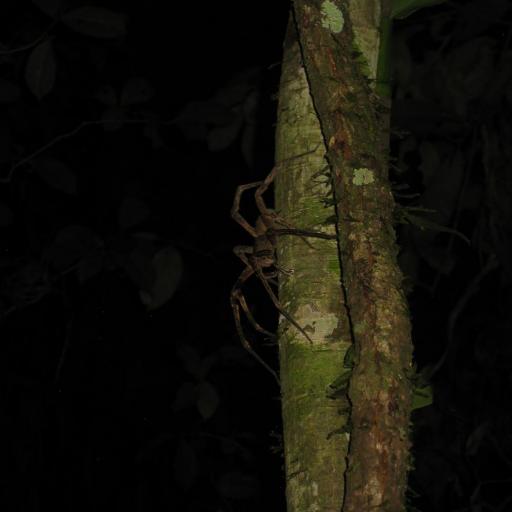
Commonly known as the Brazilian Wandering Spider or the "Armed Spider," Phoneutria is a genus of spiders that commands immediate respect. Often hitched across the globe in banana shipments (giving them the nickname "Banana Spiders"), these are not your average garden inhabitants. They are legendary in South American folklore for their boldness and are considered among the most medically significant spiders on Earth.
🔍 How to Identify
- 🕷️ The "Threat Display": Unlike most spiders that scurry away, Phoneutria stands its ground. When threatened, it rears up on its hind legs, lifting its front four legs high into the air and swaying from side to side.
- 🟤 Physical Build: They are large, hairy spiders with a leg span reaching up to 6 inches (15 cm). Their bodies are typically a mottled brown or grey, often with a dark linear stripe on the cephalothorax.
- 👄 The Chelicerae: If you are close enough to see them (which is not recommended), the base of their fangs (chelicerae) often features a distinct reddish or dark fur, looking like a "mustache."
🌲 Habitat & Ecology
- 🌙 Nocturnal Nomads: True to their name, these spiders "wander" the jungle floor at night rather than building a stationary web to catch prey. During the day, they hide in dark, moist places like hollow logs, bromeliads, or—famously—inside bunches of bananas.
- 🐜 An Active Hunter: They are formidable predators. Their diet consists of large insects, lizards, and even small rodents. Because they rely on speed and strength rather than silk, they are incredibly fast and agile.
⚠️ Safety & Toxicity
- 🚫 Status: HIGHLY VENOMOUS. The venom of Phoneutria is a complex cocktail of neurotoxins. While not every bite involves a full "envenomation" (they sometimes give dry bites), a full strike is a medical emergency.
- 🚑 Symptoms: Bites cause intense local pain, sweating, and heart palpitations. In some cases, the venom causes priapism—a painful, long-lasting erection—which can lead to permanent damage if not treated. Keep children and pets far away; seek antivenom treatment immediately if a bite occurs.
✨ Fun Fact
Scientists are currently studying the specific toxins in the Brazilian Wandering Spider's venom to develop new treatments for erectile dysfunction. It turns out this "scary" spider might one day provide the blueprint for a natural alternative to Viagra!
More Details








