Info
Known as the "Femme Fatale" of the insect world, fireflies in the genus Photuris are the bright sparks that define warm summer evenings. While they are often called "Lightning Bugs," these are actually soft-bodied beetles. They are famous for their sophisticated light shows and a slightly dark secret: the females are masters of deception, mimicking other species to lure in a meal.
🔍 How to Identify
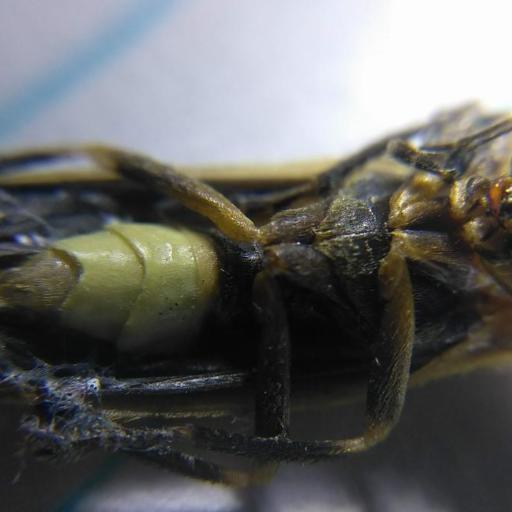
- 💡 The Lantern: Look at the underside of the tail (abdomen). These beetles possess specialized organs that produce a brilliant greenish-yellow bioluminescence.
- 🛡️ The Pronotum: They have a shield-like plate covering their head, typically marked with distinctive red, orange, or yellow patterns on a dark background.
- 🪽 Elongated Body: Their bodies are relatively long and flattened, with dark, flexible wing covers (elytra) that often have pale margins.
🌲 Habitat & Ecology
- 🌙 Nocturnal Predators: While the adults of many firefly species don't eat at all, Photuris females are famous hunters. They mimic the light-flashing "come hither" signals of other firefly species to lure males in—not for a date, but to eat them.
- 🍃 Moist Environments: You will most likely find them near marshes, wooded edges, or damp backyard gardens. Their larvae, often called "glowworms," live in the soil and act as tiny garden guardians, preying on slugs and snails.
⚠️ Safety & Toxicity
- ✅ For Humans: They are completely safe. They do not bite, sting, or carry diseases. They are a "friend" to any gardener.
- 🚫 For Pets: Potentially Toxic. Fireflies contain "lucibufagins," defensive chemicals that are extremely toxic to certain pets, particularly reptiles like Bearded Dragons. Never let your pets eat them.
✨ Fun Fact
The Photuris female doesn't just eat other fireflies for the calories; she does it for the "armor." By eating males of the Photinus genus, she absorbs their defensive toxins, making herself chemically protected against birds and spiders!
More Details








