Info
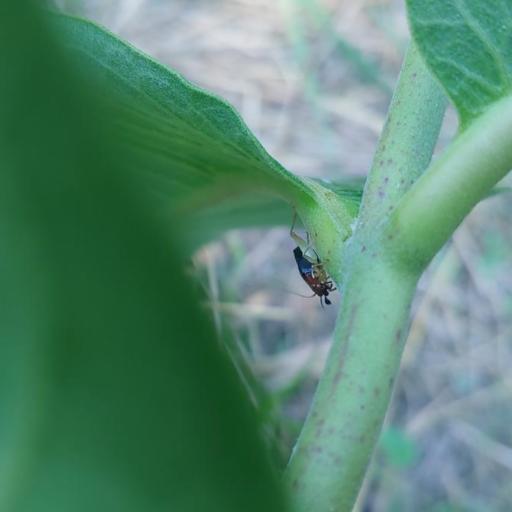
Known affectionately as the Handsome Trig or the Red-headed Bush Cricket, this insect is often mistaken for a rare beetle or a tiny piece of garden jewelry. Despite the "plant" label often associated with its sightings, it is a charismatic member of the cricket family. It is best known for its vibrant "tuxedo" colors and its bizarre, paddle-like mouthparts that it constantly waves as it explores garden foliage.
🔍 How to Identify
- 🎨 The "Red Head": It features a brilliant, glossy red-orange head and thorax that contrasts sharply with its jet-black body and wings.
- 🥊 Boxing Glove Palps: Its most famous feature is its enlarged, jet-black maxillary palps (sensory mouthparts) which look like tiny boxing gloves or paddles held out in front of its face.
- 📏 Diminutive Size: It is incredibly small, usually measuring less than half an inch (7-9mm), making it easy to miss unless you are looking closely at leaf surfaces.
🌲 Habitat & Ecology
- 🌿 The Shrub Layer: Unlike field crickets that stay in the grass, the Handsome Trig prefers the "understory"—the leaves of shrubs, tall weeds, and garden perennials. You will often find them on hydrangeas, sunflowers, or berry bushes.
- 🎶 Daytime Serenade: While most crickets are nocturnal, this species is active during the day. The males produce a high-pitched, melodic trill that can sound like a continuous "re-re-re-re" vibrating through the garden during late summer.
- 🍂 Garden Role: They are primarily scavengers and herbivores, feeding on organic debris, flower parts, and occasionally tiny aphids. They are considered "neutral" insects—they won't destroy your prize roses, but they aren't major pollinators either.
⚠️ Safety & Toxicity
- 🛡️ Completely Harmless: The Handsome Trig is a "friend" to gardeners. They lack any kind of stinger and their mouthparts are far too small to bite a human.
- 🐾 Pet Safety: They are non-toxic. If a curious cat or dog happens to snack on one, there is no risk of poisoning, though the insect's small size usually keeps it off a pet's radar.
✨ Fun Fact
The "paddles" on its face aren't just for show! Scientists believe the cricket uses these thickened palps to signal to other crickets and to "taste" its environment more effectively as it vibrates them against leaf surfaces.
More Details








