Info
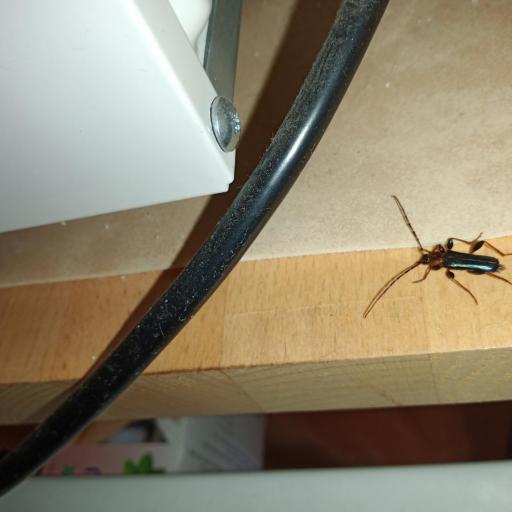
Known as the Tanbark Borer or the Variable Oak Borer, this beetle is the ultimate "forest recycler." While its name might sound a bit intimidating to homeowners, this longhorn beetle is a neutral neighbor that plays a vital role in breaking down old wood. It is famous among entomologists for its incredible range of colors—a single population can include individuals that are deep blue, vibrant orange, or earthy tan.
🔍 How to Identify
- 🎨 The "Variable" Look: True to its name, its wing covers (elytra) can be reddish-brown, yellowish-tan, or even a metallic blue-violet.
- 📏 Flattened Profile: Their bodies are notably flat and slender, a specialized shape that allows them to crawl deep into the narrow crevices of tree bark.
- 📡 Longhorn Antennae: Like other members of the Cerambycidae family, they sport very long, swept-back antennae that are often at least half the length of their bodies.
🌲 Habitat & Ecology
- 🪵 The Firewood Hitchhiker: These beetles are frequently found in woodpiles. If you bring seasoned oak or beech firewood indoors during winter, the warmth may "wake them up," leading to a surprise encounter in your living room.
- 🍂 Nature’s Cleanup Crew: They primarily target dead, dying, or recently fallen hardwood trees (especially Oak). They are not "pests" in the traditional sense, as they rarely attack healthy, living trees.
- 🌙 Night Owl: You are most likely to spot them at dusk or near porch lights, as they are nocturnal and highly attracted to artificial light sources.
⚠️ Safety & Toxicity
- 🛡️ Harmless Guest: The Tanbark Borer is non-toxic and possesses no stinger. They are not known to carry diseases or pose any threat to humans or pets.
- 🦷 Gentle Nip: While they have mandibles designed for chewing wood, they are not aggressive. If handled roughly, they might give a tiny, harmless pinch, but they cannot break the skin or cause significant pain.
- 🏠 Home Integrity: Unlike termites or powderpost beetles, they do not infest the structural timber of a dry, finished home. They need the moisture of bark and sapwood to survive.
✨ Fun Fact
The Phymatodes testaceus is a favorite subject for scientists studying genetics because of its "polymorphism." This means that even though two beetles look like completely different species due to their colors, they are actually siblings from the same nest!
More Details








