Info
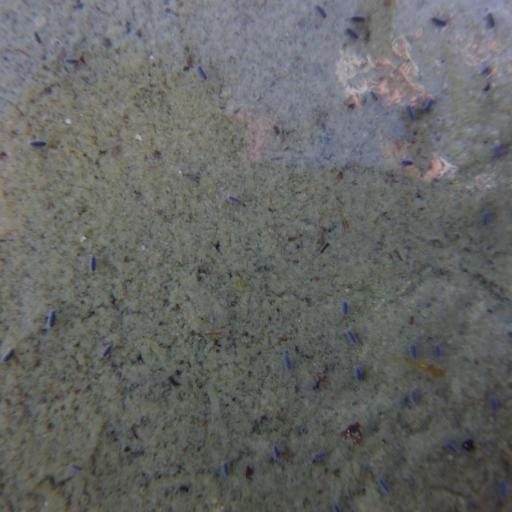
Often called the "Water Springtail," these tiny, primitive creatures look like clusters of spilled soot or velvet pepper floating on still water. While they are often grouped with insects, they belong to an ancient lineage called Collembola that has inhabited Earth for over 400 million years. They are the ultimate "social floaters," often found huddling in thousands on the surface of garden ponds.
🔍 How to Identify
- 🌑 Deep Color: They are almost always a dark, matte charcoal or deep navy blue, which makes them stand out against the reflective surface of the water.
- 💧 Body Shape: They have a plump, segmented appearance with six legs and no wings; their bodies are covered in a waxy, water-repellent coating.
- 🦘 The Furca: Look for their "spring"—a forked tail tucked under the abdomen that acts like a catapult, launching them into the air at the slightest disturbance.
🌲 Habitat & Ecology
- 🌊 Surface Tension Masters: These insects spend their entire lives on the surface film of stagnant or slow-moving water, using specialized claws to grip the water without sinking.
- 🍽️ The Recyclers: They serve as nature’s tiny janitors, feeding on decaying organic matter, pollen, and microscopic algae that would otherwise cloud the water.
- ❄️ Cold Weather Heroes: Unlike many bugs that disappear in winter, Water Springtails remain active even in freezing temperatures, often appearing on the surface of melting ice.
⚠️ Safety & Toxicity
- ✅ Completely Harmless: Podura aquatica do not bite, sting, or carry diseases. They are a sign of a healthy, functioning ecosystem in your pond.
- 🐟 Fish Food: They are a favorite snack for small fish, newts, and frogs. If you see them, your pond's residents are likely enjoying a high-protein buffet.
✨ Fun Fact
If a human had the relative jumping power of a Water Springtail, we would be able to leap over a 10-story building in a single bound to escape a predator!
More Details








