Info
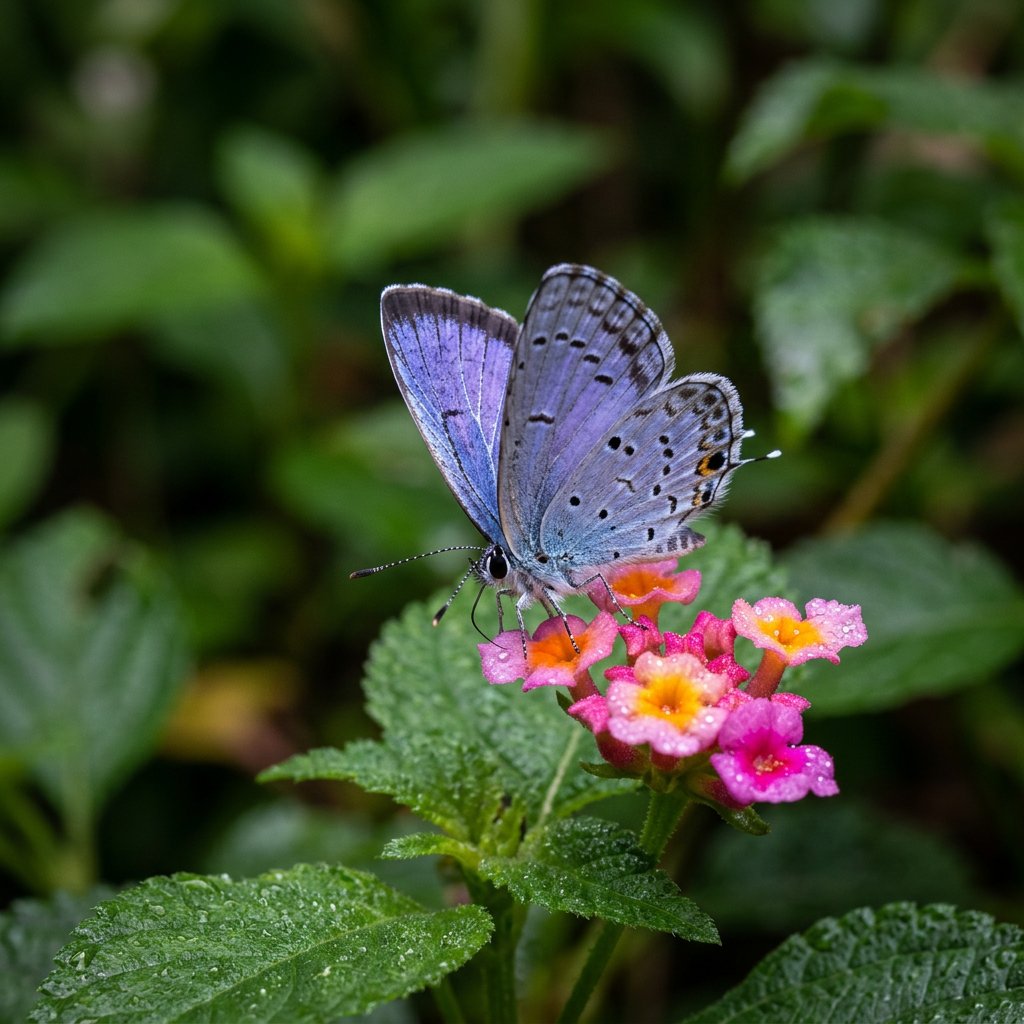
Often called the Common Line-blue, these tiny, darting butterflies are like living jewels in a tropical garden. Though they are small and easily overlooked, they carry a clever "dual-identity" defense system on their delicate wings. They are gentle pollinators and a welcome sign of a healthy, biodiverse ecosystem.
🔍 How to Identify
- 🦋 Upper Wing Colors: Males sport a vibrant, iridescent purplish-blue that flashes in the sun, while females are more understated, featuring dark brown wings with a soft blue dusting at the base.
- 🦓 Underwing Patterns: The "Line-blue" name comes from the intricate, thin white and brown bands (striations) that cover the pale underside of their wings, providing perfect camouflage against tree bark.
- 🎭 The "Fake Head": Look closely at the bottom of the hindwings; you will see tiny hair-like tails and orange-ringed eye-spots. These are designed to trick birds into attacking the wings rather than the butterfly’s actual head.
🌲 Habitat & Ecology
- 🌺 Garden Presence: These butterflies are frequent visitors to flowering shrubs and urban gardens across South Asia and Australia. They are particularly fond of Acacia, Albizia, and other leguminous plants where they lay their eggs.
- 💧 Mud-Puddling: You may occasionally see groups of males congregating on damp sand or mud. This behavior, known as "puddling," allows them to suck up essential salts and minerals from the ground that are not found in flower nectar.
- ⚔️ Territorial Flights: Despite their tiny size, males are quite feisty. They often pick a favorite "perch" on a leaf and will fly out to chase away any other small insects that enter their personal space.
⚠️ Safety & Toxicity
- 🛡️ Status: A completely harmless garden friend.
- 🌿 Details: The Common Line-blue does not bite, sting, or carry any toxins. They are perfectly safe for curious children and pets to observe, though their wings are incredibly fragile—even a gentle touch can remove the scales they need for flight.
✨ Fun Fact
To perfect their "fake head" disguise, the Common Line-blue will often wiggle its hindwings up and down after landing. This makes the tiny hair-tails move like real antennae, further convincing predators that they are looking at the butterfly's face!
More Details








