Info
Often called the Long-tailed Aphid-eater, this slender insect is one of the gardener’s most stylish and hardest-working allies. While its yellow-and-black patterns might make you jump at first glance, it is actually a harmless hoverfly performing a masterful impression of a wasp to keep predators away. In reality, it spends its days as a high-precision aerial acrobat, moving from flower to flower with surgical grace.
🔍 How to Identify
- 🦟 The Abdomen: Unlike many chunky flies, this species has a notably long, thin, and "petiolate" (waisted) abdomen that flares out slightly at the end, looking a bit like a tiny club or a teardrop.
- 🐝 Wasp Mimicry: It sports bright yellow bands on a dark brown or black body. This "Batesian mimicry" tricks birds into thinking it has a stinger, though it is entirely defenseless.
- 🚁 Flight Pattern: It is famous for its "hovering" ability. It can stay perfectly still in mid-air near a flower before darting away at incredible speeds—a feat most wasps and bees cannot replicate.
🌲 Habitat & Ecology
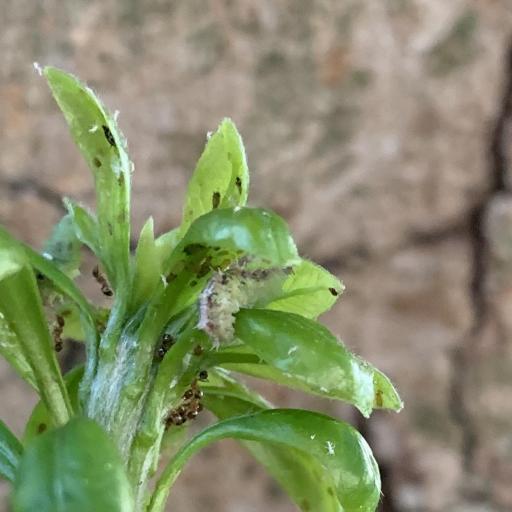
- 🌻 The Garden Guardian: Adults are primarily pollinators that feed on nectar and pollen. However, their larvae are "slug-like" predators that have a voracious appetite for aphids, making them a natural, chemical-free pest control service for your roses and vegetables.
- 🌍 Sun Lovers: You will most often find them in sunny, open spaces like meadows, backyard gardens, and parks. They are particularly attracted to flowers with flat, open faces (like daisies or dill) where their short mouthparts can easily reach the nectar.
⚠️ Safety & Toxicity
- ✅ Completely Harmless: Despite its "scary" wasp-like appearance, Pseudodoros clavatus does not have a stinger and cannot bite. It is 100% safe to have around children and pets.
- 👐 Gentle Handling: If one lands on you, it is likely just looking for a bit of salt from your skin or a place to rest. You can gently brush it away without fear of retaliation.
✨ Fun Fact
The "helicopter" flight of the hoverfly is so advanced that engineers have studied their wing movements to improve the design of micro-drones! They are one of the few insects that can fly backward and sideways with ease.
More Details








