Info
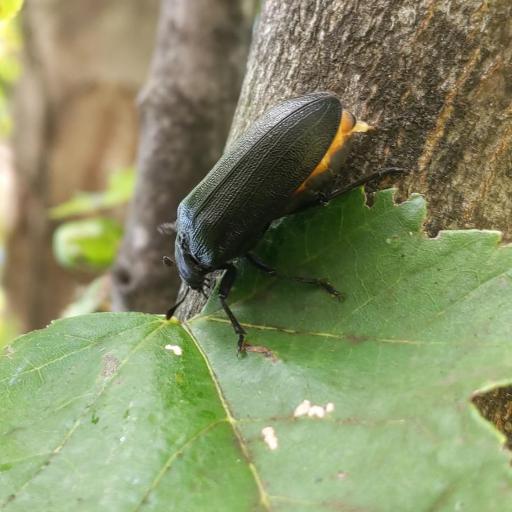
Known as Cedar Beetles or Cicada Parasite Beetles, members of the Rhipiceridae family are some of the most visually striking insects you might encounter in the wild. While their robust bodies and fuzzy textures might look intimidating, they are harmless fascinations of the insect world. They are best known for the males' magnificent, fan-like antennae, which look like miniature elaborate feathers or Victorian fans.
🔍 How to Identify
- 🪭 Feathered Antennae: The most iconic feature is found in males, who possess large, multi-branched (flabellate) antennae used to "sniff out" females from great distances.
- 🪲 Robust Build: They have elongated, oval bodies, often covered in fine, velvety hairs that give them a matte or dusty appearance.
- 🎨 Mottled Patterns: Many species are dark brown or black, often decorated with intricate white or cream-colored spots that help them blend into tree bark.
🌲 Habitat & Ecology
- 🌳 Cicada Seekers: These beetles play a very specific role in the ecosystem; their larvae are "ectoparasitoids," meaning they live outside and feed on cicada nymphs underground.
- 🌿 Short-Lived Adults: You are most likely to spot them clinging to tree trunks or tall grass during the spring and summer. As adults, they don't live long, focusing almost entirely on finding a mate rather than eating.
⚠️ Safety & Toxicity
- 🛡️ Status: Completely harmless to humans and pets.
- 🚫 No Defense Mechanisms: They do not sting, possess no venom, and are not known to bite. If you pick one up, it will likely just "play dead" or try to crawl away with its grippy legs.
✨ Fun Fact
The male Cedar Beetle’s fan-like antennae can have more than 20 individual "leaves" or lamellae. This massive surface area acts like a high-tech biological sensor, tuned specifically to detect the pheromones of a female hiding deep in the foliage!
More Details








