Info
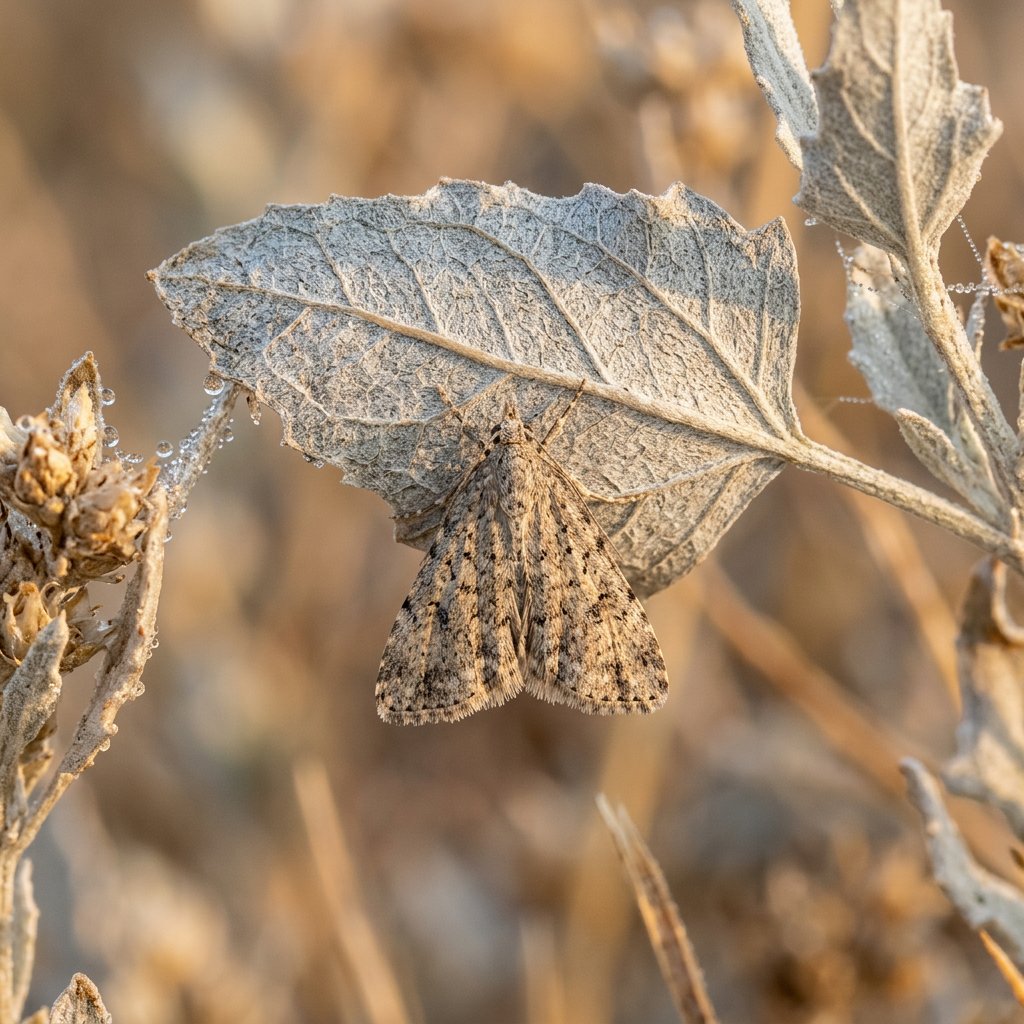
Often known as the "Stealthy Leaf-Miners," the Scrobipalpa genus consists of tiny, intricate moths that are masters of the "hidden life." While the adults are subtle and blend perfectly into tree bark or dried leaves, their larvae are famous for their artistic tunneling through garden plants. These micro-moths are frequently encountered by gardeners who notice strange, translucent "blisters" appearing on the leaves of their favorite vegetables.
🔍 How to Identify
- 🎨 The Camouflage Cloak: Most species feature narrow, mottled wings in shades of dusty brown, grey, and ochre, designed to look exactly like a speck of debris or bark.
- 📏 Microscopic Scale: These are "micro-moths," usually boasting a wingspan of only 10–14mm, making them very easy to miss unless they are disturbed and take flight.
- 🦋 Fringed Wings: If you look closely (or use a macro lens), the hindwings possess a delicate, hair-like fringe that gives them a soft, feathered appearance.
- 🐛 The "Mine" Signature: You often identify them by their work rather than their bodies; look for winding, silvery, or brown trails (mines) etched inside the thickness of a leaf.
🌲 Habitat & Ecology
- 🥗 Vegetable Specialists: Many species in this genus, like the Beet Moth, specifically target plants in the beet, spinach, and potato families. They don't eat the whole leaf; they live inside it, protected from the elements.
- 🕵️ Nocturnal Navigators: You won't see them much during the day. They are nocturnal flyers, drawn to lights at night, while spending their daylight hours tucked away in low-growing vegetation.
- 🔄 Agricultural Role: While they are fascinating to observe, they are often considered minor pests in agricultural settings because their "mining" can weaken young plants or damage crops like tobacco and tomatoes.
⚠️ Safety & Toxicity
- 🛡️ Harmless to Humans: Scrobipalpa moths are entirely safe for people and pets. They do not bite, sting, or carry diseases.
- 🪴 Garden Nuisance: While they won't hurt you, they can be a "foe" to your vegetable patch. If you see their trails, the plant is still edible, though the specific mined leaves should be removed to prevent a second generation from hatching.
✨ Fun Fact
The larvae of some Scrobipalpa species are so specialized that they can tell the difference between different layers of a single leaf! They often eat only the nutrient-rich middle layer (the mesophyll), leaving the clear "skin" of the leaf intact to act as a private, climate-controlled greenhouse.
More Details








