Info
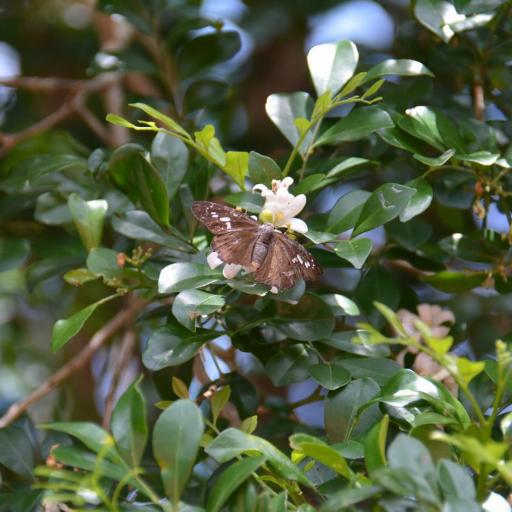
Often referred to as the White Flats, members of the genus Seseria are the "pancake artists" of the butterfly world. Unlike most butterflies that fold their wings vertically when resting, these skippers prefer to spread their wings completely flat against the underside of leaves to hide from predators. With their thick, moth-like bodies and rapid, darting flight, they bridge the aesthetic gap between the world of butterflies and moths.
🔍 How to Identify
- 🦋 The "Flat" Pose: Their most iconic trait is resting with wings spread perfectly horizontal, often mimicking a splash of bird droppings or a patch of sunlight on a leaf.
- ⚪ Wing Patterns: They typically feature bold, snowy white or translucent patches set against a dark brown or greyish-black background, creating a high-contrast look.
- 📍 Hooked Antennae: Like other skippers, their antennae end in a distinct, tiny hook called an "apiculus," which distinguishes them from "true" butterflies.
🌲 Habitat & Ecology
- 🍃 The Yam Connection: The larvae (caterpillars) of these insects are quite picky eaters, specifically favoring the leaves of wild yams (Dioscorea species) where they build little silk-bound shelters.
- 💧 Forest Dwellers: You are most likely to spot them in moist, tropical or subtropical forests across Asia, often flitting near forest edges or damp patches of ground where they drink mineral-rich water.
- ⚡ High-Speed Flight: Don't let their delicate look fool you; they are powerful fliers that move in erratic, lightning-fast "skips" that make them very difficult for birds to catch.
⚠️ Safety & Toxicity
- ✅ Harmless: The Seseria is a gentle friend to the garden and the forest. They do not bite, sting, or possess any chemical defenses that are dangerous to humans.
- 🐾 Pet Friendly: They are not known to be toxic to cats or dogs if accidentally chased or ingested, though their rapid movement might drive a curious puppy into a frenzy!
✨ Fun Fact
Skippers like the Seseria are considered "evolutionary intermediates." While most butterflies are active by day and moths by night, many skippers are crepuscular—meaning they are most active during the romantic, dim light of dawn and dusk.
More Details








