Info
Often called "Black Flies" or "Buffalo Gnats," the Simulium is a tiny insect that packs a punch far beyond its size. Known for their distinct "hump-backed" appearance, they are the persistent buzzing companions of hikers and gardeners alike during the late spring. While they can be a nuisance, they are also indicators of high-quality, oxygen-rich water nearby.
🔍 How to Identify
- 🪰 The Silhouette: They possess a stout, robust body with a noticeably arched or "humped" thorax, which gives them their "Buffalo Gnat" nickname.
- 🪽 The Wings: Broad, clear wings that are shorter than their bodies and lack the scales found on mosquito wings.
- 🎨 The Color: Most species are matte black or dark gray, though some may show flashes of yellow or orange depending on the light.
🌲 Habitat & Ecology
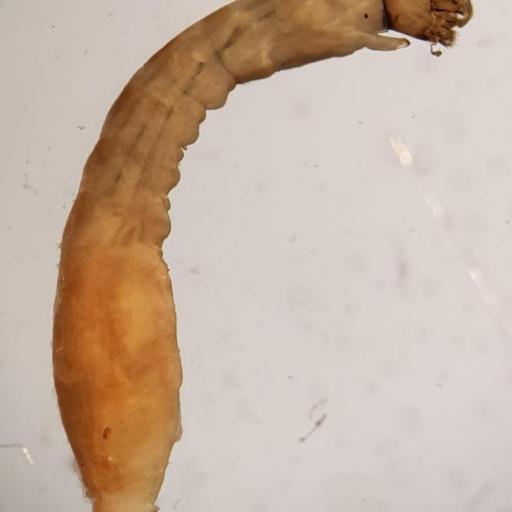
- 🌊 Flowing Water: Unlike mosquitoes that love stagnant ponds, Simulium larvae require fast-moving, clean water. They use specialized "fans" on their heads to filter food from the current.
- 🌼 Dual Lifestyle: While the females are infamous for seeking blood, the males are gentle nectar-feeders. They play a minor role in pollinating small wildflowers and are a vital food source for trout and dragonflies.
⚠️ Safety & Toxicity
- 🩹 The Bite: Unlike mosquitoes that use a needle-like tube, black flies use serrated mandibles to "cut" the skin. This often results in a small, itchy red dot that can bleed slightly and swell more than a typical bug bite.
- 🐕 Pet Sensitivity: These flies often swarm the ears and bellies of dogs and livestock. If you notice your pet scratching excessively after a walk near a stream, they may have been targeted by a "cloud" of gnats.
- 🤒 Black Fly Fever: In rare cases of multiple bites, humans can experience "Black Fly Fever," characterized by headache, nausea, and swollen lymph nodes. Seek medical advice if symptoms are severe.
✨ Fun Fact
Simulium larvae are master rappellers! If they are disturbed in a fast-moving stream, they release a silk thread (similar to a spider’s) to anchor themselves to rocks so they don't get swept away by the current.
More Details








