Info
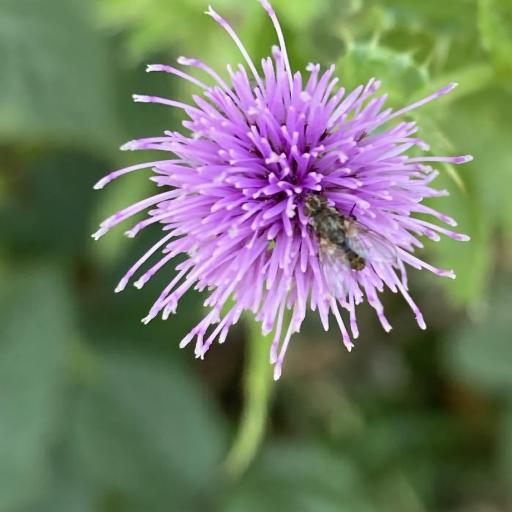
The Siphona fly is a tiny, unsung hero of the backyard ecosystem. While they might look like common houseflies at first glance, these "Long-beaked Flies" are actually specialized members of the Tachinid family, acting as natural pest controllers. Often found hovering around flowers, they are the garden’s secret weapon against hungry caterpillars.
🔍 How to Identify
- 🦟 The "Siphon" Snout: Their most defining feature is a long, slender, and stiff proboscis (mouthpart) that often bends at a sharp angle, resembling a tiny drinking straw.
- 🦔 Bristly Body: Like most Tachinids, their abdomen and thorax are covered in stiff, dark hairs or bristles, giving them a slightly "punk rock" or rugged appearance.
- 📏 Miniature Stature: They are remarkably small, usually measuring only 3 to 6 millimeters in length, making them easy to miss unless you are looking closely at flower heads.
🌲 Habitat & Ecology
- 🧪 The Caterpillar’s Nemesis: Siphona are parasitoids, meaning their larvae develop inside other insects—primarily the larvae of moths and butterflies. By keeping caterpillar populations in check, they prevent your prized plants from being over-grazed.
- 🌸 Nectar Seekers: As adults, they are excellent pollinators. You will find them frequenting "flat" flowers like Daisies, Queen Anne’s Lace, or Mint, where their long mouthparts can easily reach the shallow nectar.
⚠️ Safety & Toxicity
- ✅ Harmless to Humans: Despite their sharp-looking "beak," Siphona flies cannot bite or sting people. That long proboscis is strictly for sipping nectar, not for defense.
- 🐾 Pet Friendly: They pose no threat to dogs, cats, or children. They are non-toxic and generally avoid any interaction with mammals, preferring to stay focused on their host insects.
✨ Fun Fact
The Siphona's proboscis is double-jointed! It can fold up against the body when the fly is at rest and hinge outward when it's time to feed, functioning much like a high-tech folding pocket knife.
More Details








