Info
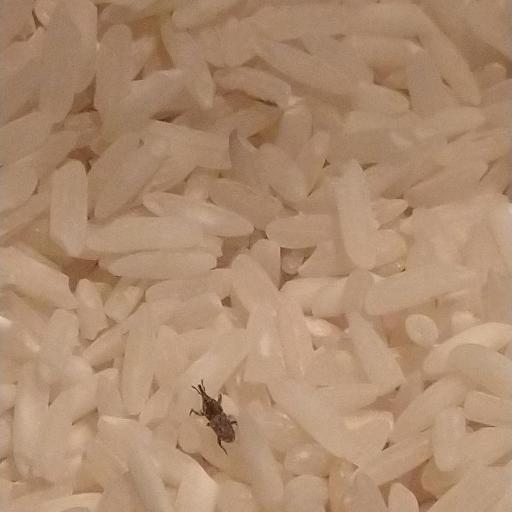
Often called "Snout Beetles" or the "Pantry Pirates," the Sitophilus genus contains some of the most specialized hitchhikers in the insect world. These tiny, armored explorers are famous for their elongated faces and their uncanny ability to find their way into sealed bags of rice, corn, or wheat. While they might cause a fright when they crawl out of your morning cereal, they are more of a nuisance to your pantry than a threat to your health.
🔍 How to Identify
- 👃 The Long Snout: Their most defining feature is a prominent "rostrum" or snout, which they use like a drill to bore holes into hard seeds and grains.
- 🛡️ Pitted Armor: Their hard, oval bodies are covered in tiny circular pits and range in color from a dull reddish-brown to nearly black.
- 📐 Elbowed Antennae: Look closely at the snout, and you’ll see two tiny, L-shaped antennae protruding near the middle, a classic trait of the weevil family.
🌲 Habitat & Ecology
- 🌾 Hidden Life Cycle: These insects are "internal feeders," meaning the female drills a hole into a grain kernel, lays a single egg, and seals it with a plug. The larva grows up entirely hidden inside that one piece of rice or corn.
- 📦 Global Travelers: Because they live inside their food, they are accidentally shipped all over the world. They thrive in dark, slightly humid environments like kitchen cupboards, grain silos, and warehouses.
⚠️ Safety & Toxicity
- 🛡️ Harmless to Humans: Sitophilus weevils do not bite, sting, or carry diseases that affect humans or pets. They are physically incapable of harming you.
- 🥣 Food Integrity: While they aren't toxic, an infestation usually means the food is "spoiled." If you find them, it’s best to freeze the product to kill any hidden larvae or simply compost the affected grains to prevent them from spreading to other packages.
✨ Fun Fact
These tiny beetles are ancient history buffs! Sitophilus remains have been discovered by archaeologists in the dry grain stores of ancient Egyptian tombs, proving they’ve been raiding human pantries for over 4,000 years.
More Details








