Info
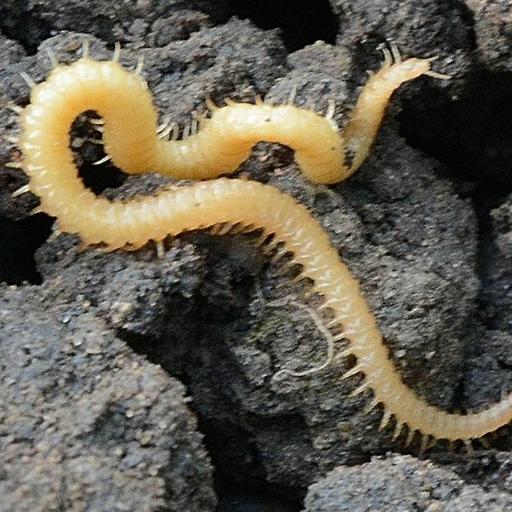
Often called the Western Yellow Centipede, Stigmatogaster subterranea is a subterranean architect that spends its entire life in the cool, dark shadows beneath your feet. While its many legs might seem intimidating at first glance, this pale, ribbon-like hunter is a secret ally to gardeners, acting as a tireless "security guard" for the root systems of your favorite plants.
🔍 How to Identify
- 🦵 Elongated Body: It features an exceptionally long, thread-like body that can consist of 77 to 83 pairs of legs, allowing it to move with a wave-like motion.
- 🎨 Pale Coloration: Unlike surface-dwelling centipedes that are often dark or banded, this species is a ghostly creamy yellow or pale amber—an adaptation to its life underground.
- 📏 Ultra-Thin Profile: It is remarkably slender, looking almost like a piece of living string, which allows it to navigate the narrowest tunnels and worm-holes in the earth.
🌲 Habitat & Ecology
- 🕳️ The Deep Hunter: This centipede is rarely seen on the surface; it prefers deep, damp soil, rotting wood, or the dark underside of heavy rocks where humidity is high.
- 🐜 Natural Pest Control: It is a dedicated predator, feeding primarily on small soil organisms like springtails, insect larvae, and tiny worms, keeping your garden’s ecosystem in balance.
- 💦 Moisture Dependent: Because it lacks a waxy coating on its exoskeleton, it is highly sensitive to drying out and will retreat deep into the earth during summer dry spells.
⚠️ Safety & Toxicity
- 🛡️ Generally Harmless: While it possesses "forcipules" (modified legs that act like fangs), they are typically too small and weak to pierce human skin.
- 🐾 Low Risk: It is not considered dangerous to cats or dogs. It is far more interested in escaping back into the dirt than engaging with a curious pet.
✨ Fun Fact
Some members of the Geophilomorpha order, to which this centipede belongs, are capable of bioluminescence! When threatened, they can exude a glowing slime that startles predators in the pitch-black environment of the soil.
More Details








