Info
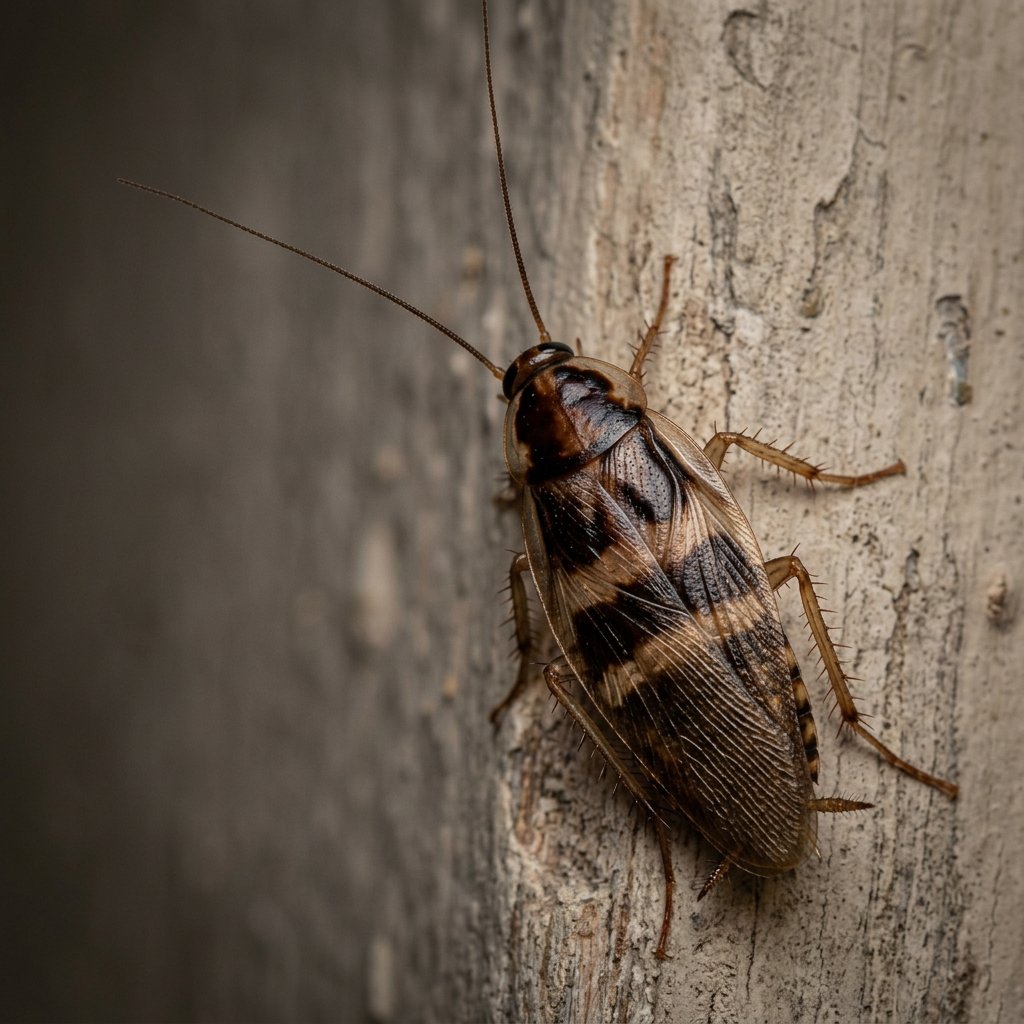
Known as the Brown-banded Cockroach, Supella longipalpa is a common domestic insect often mistaken for its cousin, the German cockroach. Despite your query including "plant," this is actually a small, resilient insect that has traded the great outdoors for the comforts of human homes. It earned its nickname from the light-colored stripes that decorate its wings and body.
🔍 How to Identify
- 🟤 Band Pattern: Two distinctive, pale-yellow or light-brown bands run across the base of the wings and the abdomen.
- 🪽 Wing Length: Males have long, slender wings that cover their entire abdomen, while females have shorter, sturdier wings that leave part of their body exposed.
- 📐 Small Stature: They are one of the smallest invasive cockroaches, typically measuring only 10 to 14 millimeters in length.
🌲 Habitat & Ecology
- 🏠 The High Life: Unlike most cockroaches that prefer damp basements or floor-level drains, this species loves "high-altitude" living. You are more likely to find them in upper kitchen cabinets, behind picture frames, or tucked into the warm crevices of ceiling fans.
- 🔌 Tech Lovers: They are often called "electronic pests" because they prefer dry, warm environments. It is very common to find them nesting inside the warm circuitry of computers, televisions, and clock radios.
- 🍞 Scavenger Diet: They are true generalists. While they prefer starchy foods, they are known to eat non-food items like bookbindings, wallpaper paste, and even stamps.
⚠️ Safety & Toxicity
- 🦠 Disease Vector: While they do not bite or sting, they are considered "mechanical vectors." This means they can pick up bacteria like Salmonella on their legs and transfer it to your food or countertops.
- 🤧 Allergy Trigger: The shed skins and droppings of these insects contain proteins that can trigger asthma attacks and allergic reactions, particularly in young children and people with respiratory sensitivities.
✨ Fun Fact
The male Brown-banded Cockroach is quite the athlete compared to its relatives; when startled, it is known to take "leaps of faith," using its wings to glide and jump away from perceived threats!
More Details








