Info
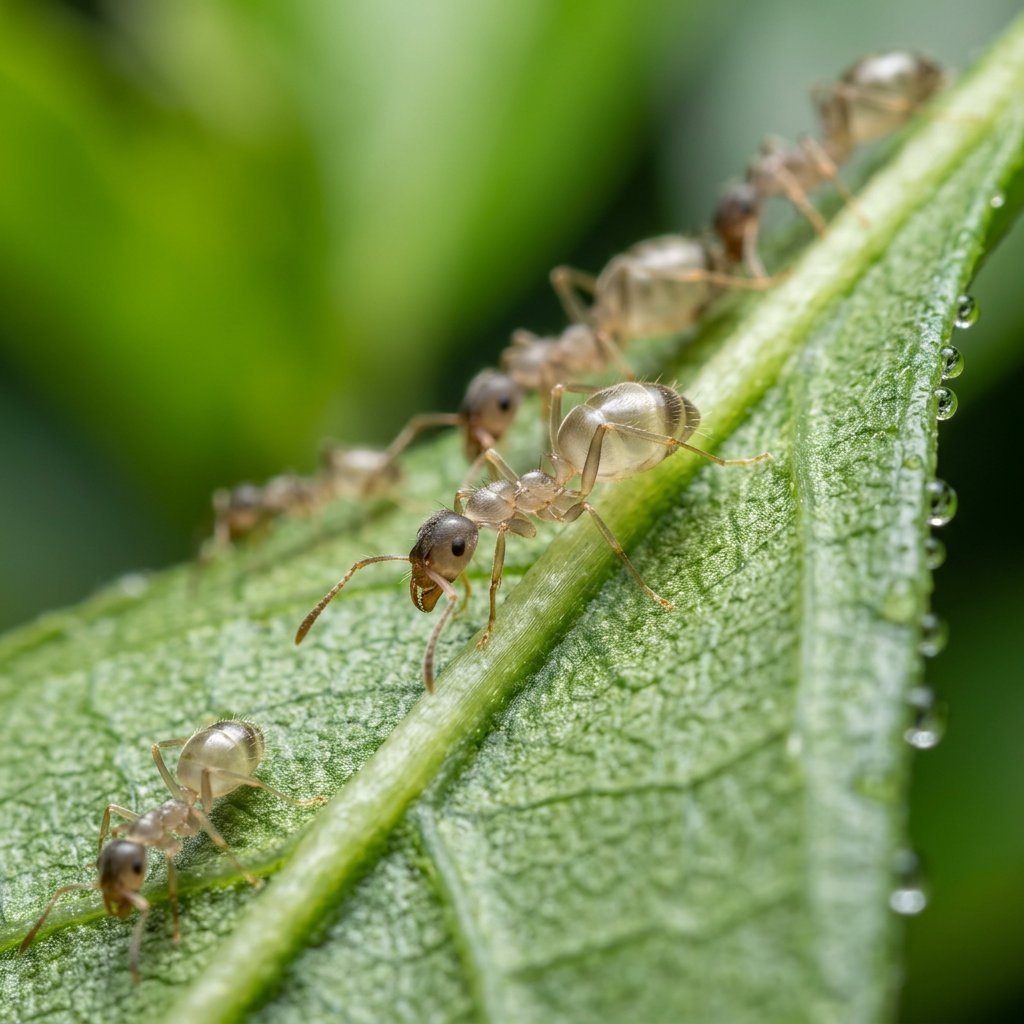
Often called the Ghost Ant, this tiny traveler is a master of invisibility. Named for its pale, translucent body that seems to disappear against light surfaces, it is a common sight in tropical climates, greenhouses, and modern kitchens worldwide. While they might look like moving specks of dust, they are highly organized social insects capable of colonizing large buildings in the blink of an eye.
🔍 How to Identify
- 👻 The Ghostly Glow: Their abdomen and legs are almost entirely transparent or milky-white. This "cloak" makes them incredibly difficult to track on light-colored countertops or tiles.
- 🖤 Dark Contrast: The head and thorax (the middle section) are a contrasting deep brown or black. When they move, it often looks like a tiny dark dot is floating across a surface.
- 🤏 Minute Size: They are exceptionally small, usually measuring between 1.3 to 1.5 mm in length. You would need a magnifying glass to see their segmented antennae clearly.
🌲 Habitat & Ecology
- 🍯 Sweet Tooth Scavengers: These ants are obsessed with sugar. In nature, they act as "farmers," protecting aphids to harvest their sweet honeydew. Indoors, they will find the smallest crumb of cake or a single drop of spilled juice within minutes.
- 🏠 The Ultimate Squatter: Unlike many ants that build complex underground mounds, Ghost Ants are opportunistic. They will nest in wall voids, flowerpots, under loose bark, or even inside folded laundry and between the pages of books.
- 🏃 Erratic Energy: If you disturb them, they don't march in a straight line like many other species. Instead, they run in frantic, jerky, and unpredictable patterns.
⚠️ Safety & Toxicity
- 🛡️ Low Risk: Ghost Ants are generally considered "friends" to your physical safety but "foes" to your pantry. They do not possess a functional stinger and their mandibles are far too small to pierce human skin.
- 🐜 Nuisance Factor: Their primary danger is food contamination. Because they move between moist soil and kitchen surfaces, they can track bacteria onto "clean" food. They are also notoriously difficult to get rid of because a single colony often has multiple queens.
✨ Fun Fact
🥥 The Coconut Test: If you want to confirm you’re dealing with Ghost Ants, use your nose! When crushed, these ants release a distinct, pungent chemical odor that smells remarkably like rotten coconuts.
More Details








