Info
Often found in the dark corners of a pantry or sold as a high-protein snack for pet reptiles, the Tenebrio molitor is most famous for its larval stage: the Mealworm. While they might cause a bit of a "yuck" factor if they crawl out of a bag of grain, these beetles are harmless scavengers that play a vital role in recycling organic matter. They are the ultimate survivalists of the insect world, having traveled the globe as "hitchhikers" alongside human civilization for centuries.
🔍 How to Identify
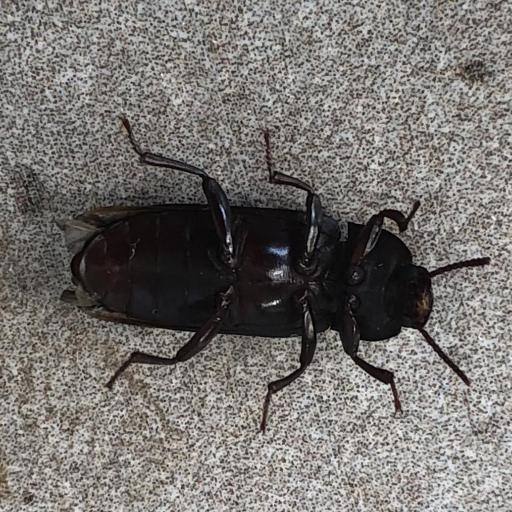
- 🪲 Adult Body Shape: The adult beetle is oval-shaped and slightly flattened, reaching about half an inch in length. They start as a light reddish-brown after molting but eventually turn a matte black or dark chocolate brown.
- 🛡️ Hardened Wings: They possess hardened forewings called elytra that protect their abdomen. If you look closely, you’ll see fine, parallel grooves running down the length of their back.
- 🐛 The Larval Form: Before they become beetles, they appear as "mealworms"—golden-yellow, cylindrical, and segmented larvae with a hard, shiny exoskeleton that feels firm to the touch.
🌲 Habitat & Ecology
- 🥣 The Pantry Scavenger: In the wild, they live under rocks or in animal burrows, but they have adapted perfectly to human environments. They thrive in stored grains, flour, bran, and even dried pet food.
- 🌙 Night Owls: These beetles are nocturnal and photophobic. They prefer to stay hidden in dark, damp crevices during the day and will quickly scurry for cover if a light is turned on.
- ♻️ Nature's Recycler: They are detritivores, meaning their primary "job" in the ecosystem is to break down decaying organic material, turning waste back into nutrient-rich soil.
⚠️ Safety & Toxicity
- ✅ Harmless: The Tenebrio molitor is non-venomous and does not possess a stinger. While they have mandibles for chewing grain, they are far too weak to bite through human skin.
- 🧺 Food Hygiene: While they aren't toxic to touch, they are considered a "nuisance pest." If you find them in your kitchen, it is best to discard the infested food, as they can introduce moisture and waste products into stored dry goods.
✨ Fun Fact
These little guys have a scientific "superpower": researchers have discovered that Mealworms have specialized bacteria in their gut that allows them to safely eat and digest polystyrene (Styrofoam), turning plastic waste into biodegradable organic matter!
More Details








