Info
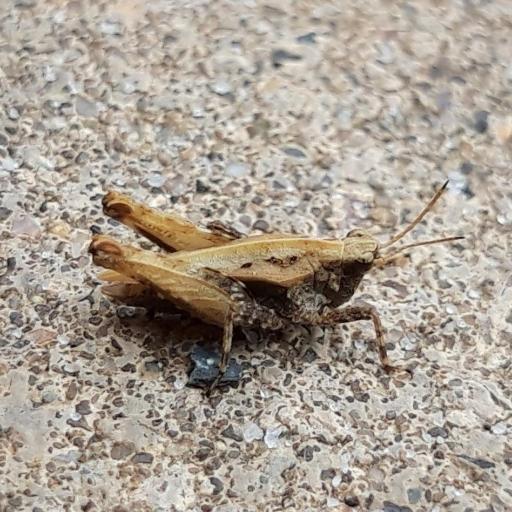
Meet the Common Groundhopper, a master of disguise hiding in plain sight. Often mistaken for a baby grasshopper due to its small size, this tiny acrobat is actually a fully-grown adult that prefers the damp moss of the forest floor over the high stalks of a meadow. Its name, undulata, refers to its wavy profile—a clever bit of camouflage that makes it look just like a withered leaf or a piece of rough bark.
🔍 How to Identify
- 🦗 The Pronotum Shield: Unlike typical grasshoppers, its "back plate" (pronotum) extends backward like a long, keeled cape, covering almost its entire body to protect it from predators.
- 🌓 Wavy Texture: The dorsal ridge has a distinctively undulating or "wavy" appearance with a central keel that helps it blend into the uneven textures of soil and stone.
- 🍂 Variable Camouflage: Its color is highly adaptable, ranging from earthy browns and grays to almost black, often featuring mottled patches that make it nearly invisible against leaf litter.
🌲 Habitat & Ecology
- 💧 Moss & Mud Lover: This insect thrives in damp, sparsely vegetated areas like woodland rides, marshy edges, and moss-covered paths where it can stay hydrated and hidden.
- 🍴 The Algae Eater: While many grasshoppers seek out fresh green leaves, the Common Groundhopper prefers a diet of mosses, algae, and lichens found on the damp soil surface.
⚠️ Safety & Toxicity
- ✅ Harmless Neighbor: The Common Groundhopper is completely non-toxic and lacks any mechanism to bite or sting humans, children, or pets.
- 🛡️ Passive Defense: Its only real defense is its powerful hind legs; if it feels threatened, it will perform a sudden, erratic leap to vanish into the vegetation, leaving would-be predators confused.
✨ Fun Fact
Unlike their noisy grasshopper cousins, Groundhoppers are the "silent types" of the insect world—they lack the organs required to "sing" (stridulate), preferring to live a quiet life of camouflage rather than calling out for attention.
More Details








