Info
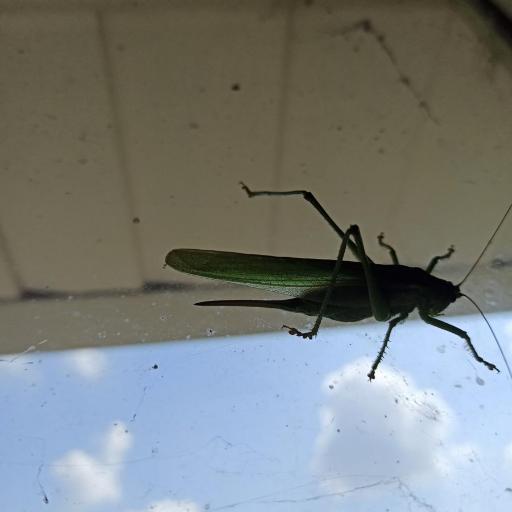
While its name might sound like a botanical species, Tettigonia viridissima is actually a giant of the insect world! Commonly known as the Great Green Bush-cricket, this emerald-colored marvel is a master of camouflage that often hides in plain sight among leaves. It is famous for its piercing summer "song" and its impressive size, often being mistaken for a stray leaf until it takes a massive leap.
🔍 How to Identify
- 🍃 Emerald Camouflage: A stunning, solid bright green body that matches fresh foliage perfectly, often featuring a thin brown stripe along the spine.
- 📡 Extra-Long Antennae: Unlike grasshoppers, its antennae are incredibly long and thread-like, often extending far past the end of its wings.
- ⚔️ The "Sword" Tail: Females possess a long, sword-like organ called an ovipositor used for laying eggs in the soil; while it looks like a stinger, it is completely harmless.
🌲 Habitat & Ecology
- 🦗 The Garden Guardian: While they do nibble on some plants, these crickets are primarily predators. They are beneficial to gardeners because they hunt and eat flies, caterpillars, and aphids.
- 🎶 High-Frequency Singer: Males produce a loud, continuous "chirp" by rubbing their wings together. The sound is so intense it can be heard from over 100 meters away, typically starting in the late afternoon and continuing into the night.
⚠️ Safety & Toxicity
- 🤏 Handle with Care: They are not venomous or "dangerous," but they have very powerful mandibles. If caught or squeezed, they can deliver a surprisingly sharp pinch to human skin.
- 🛡️ Non-Toxic: They do not secrete toxins and are not harmful to pets or children, though their large size and sudden, powerful jumps can be a bit startling.
✨ Fun Fact
👂 Listening Knees: These crickets don’t have ears on their heads! Their hearing organs, called tympana, are actually located on their front legs, just below the "knees," allowing them to pinpoint the direction of a mate's song with incredible accuracy.
More Details








