Info
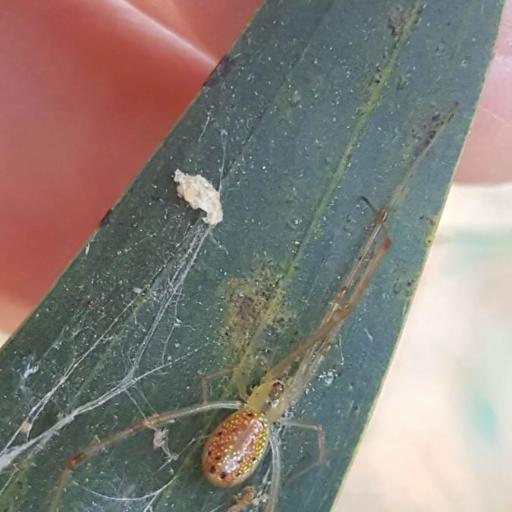
The Thwaitesia, more commonly known as the Mirror Spider or Sequin Spider, is a living piece of jewelry found in the tropical world. These tiny arachnids look like they’ve been dipped in molten silver or decorated with chrome tiles. In the wild, they sparkle like diamonds among the green foliage, acting as masters of light and reflection.
🔍 How to Identify
- 💎 The Abdomen: The most striking feature is the abdomen, which is covered in iridescent, reflective plates made of guanine. These "sequins" look like broken mirrors or stained glass.
- 🎨 Dynamic Appearance: Remarkably, these silver plates can expand or contract. When the spider is calm, the plates expand to create a near-solid mirror surface; when threatened, they shrink to reveal the colorful body underneath.
- 📏 Miniature Size: They are incredibly small, usually measuring only 3 to 5 millimeters. You’ll need a keen eye (or a macro lens) to spot them!
🌲 Habitat & Ecology
- 🌿 Tropical Highs: They are predominantly found in tropical regions, particularly in Australia and Southeast Asia. They prefer the humid environment of rainforests, where they usually hide on the undersides of broad leaves.
- 🕸️ Quiet Hunters: As members of the cobweb spider family (Theridiidae), they build small, inconspicuous webs. They are beneficial predators that help control populations of tiny gnats and flies.
⚠️ Safety & Toxicity
- 🛡️ Harmless Friend: The Mirror Spider is completely harmless to humans. They are not aggressive and prefer to hide rather than engage with anything larger than themselves.
- 🚫 No Risk: Their fangs are far too small to pierce human skin, and their venom is only effective against the tiny insects they hunt. They are safe to have in the garden or observe in the wild.
✨ Fun Fact
Scientists believe the silver "mirrors" act as a high-tech invisibility cloak. By reflecting the surrounding green leaves, the spider mimics a drop of dew or a shaft of light, making it nearly invisible to hungry birds!
More Details








