Info
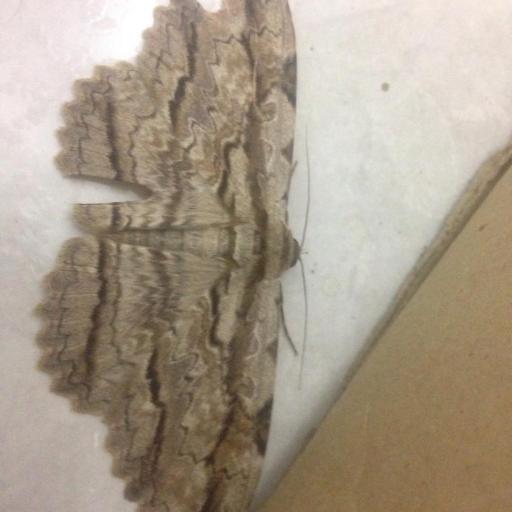
Named after the formidable 3rd-century warrior queen of Palmyra, the Zenobia Moth (Thysania zenobia) is a true monarch of the night. Often referred to as the "Owl Moth," it is celebrated for its incredible size and its ability to vanish against the bark of a tree. This moth is a frequent traveler, known to wander far north from its tropical home in Central and South America during the late summer months.
🔍 How to Identify
- 🦋 Wingspan & Shape: It is a massive moth, boasting a wingspan that can reach up to 6 inches. The wings feature deeply scalloped, "toothed" edges that give it a jagged, naturalistic silhouette.
- 🎨 Cryptic Patterns: The wings are decorated with intricate, zigzagging lines of chocolate brown, slate grey, and creamy white. These patterns perfectly mimic the texture of lichen and tree bark.
- 👁️ The "Owl" Eyes: On the forewings, look for small, dark, eye-like spots. When the moth rests with its wings spread, these spots can startle predators by mimicking the face of a larger animal, like an owl.
🌲 Habitat & Ecology
- 🌙 Nocturnal Wanderer: Unlike butterflies, Zenobia is strictly nocturnal. During the day, it presses its flat body against tree trunks or under eaves; at night, it is highly attracted to artificial lights and fermented fruit.
- 🍃 The Host Plants: In its caterpillar stage, this moth relies heavily on plants in the pea family (Fabaceae), particularly Senna and Cassia species. The caterpillars are just as well-camouflaged as the adults, often looking like twigs.
- 🌎 Tropical Traveler: While its "home base" is the tropics of Mexico and Brazil, it is a famous migrant. It frequently turns up in Texas and Florida, and stray individuals have been spotted as far north as Canada!
⚠️ Safety & Toxicity
- ✅ Status: Completely harmless.
- 🛡️ Non-Aggressive: Despite its intimidating size, the Zenobia Moth has no stinger, no biting mandibles, and no toxic hairs. It relies entirely on camouflage and flight to stay safe. It is a "gentle giant" that poses no threat to humans, pets, or garden plants.
✨ Fun Fact
The Zenobia Moth is a close cousin to the White Witch Moth (Thysania agrippina), which holds the record for the largest wingspan of any moth in the world! While Zenobia is slightly smaller, they share the same "ghostly" flight pattern that makes them look like bats in the moonlight.
More Details








