Info
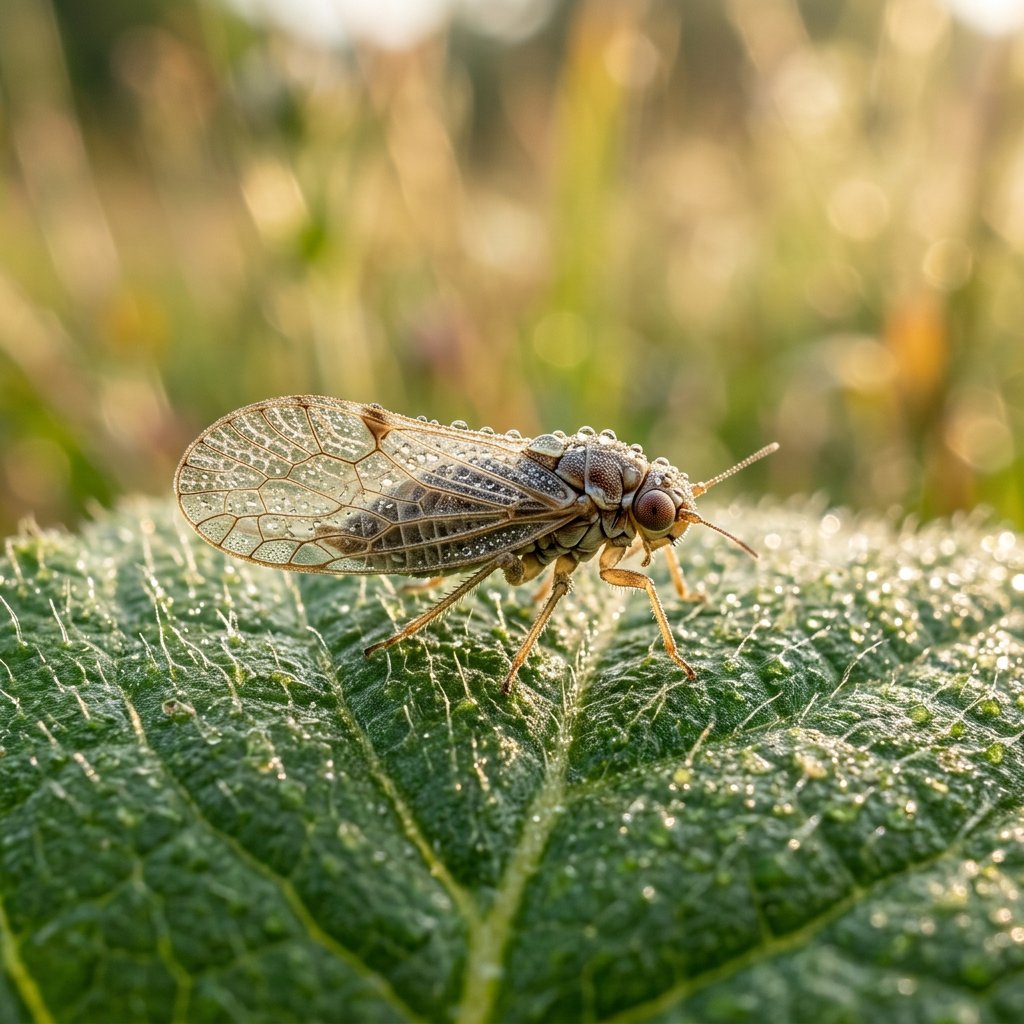
The Trioza centranthi, often known as the Valerian Jumping Plant Louse, is a tiny architectural specialist that "remodels" its favorite garden plants. While you might never notice the insect itself due to its microscopic size, you will certainly see its handiwork: distinctive, thickened curls and galls on the leaves of Valerian. It is a harmless neighbor to humans but a persistent visitor to specific herbal gardens across Europe and parts of Asia.
🔍 How to Identify
- 🪽 The Wings: Adult psyllids possess clear, membrane-like wings that are held "tent-like" over their bodies, making them look like miniature, 2mm versions of cicadas.
- 🍃 Leaf Distortions: The most obvious sign is the "leaf-roll" gall. Affected leaves become thickened, pale, and curled tightly inward, forming a protective pocket where the young insects hide.
- 🦵 The Spring-Load: True to their "Jumping Plant Louse" nickname, these insects have powerful hind legs. If they sense a shadow or vibration, they catapult themselves into the air with incredible speed.
🌲 Habitat & Ecology
- 🌿 The Specialist Diet: This insect is a host-specific specialist. It is almost exclusively found on plants in the Valerian family, particularly Red Valerian (Centranthus ruber). If you grow these for their pink or white blooms, the Trioza is a likely visitor.
- 🏰 Chemical Architects: The nymphs (juveniles) secrete specific chemicals as they feed. These chemicals trick the plant into growing a protective "nursery" around the insect. This gall shields the nymph from predators and weather while it drinks nutrient-rich sap.
⚠️ Safety & Toxicity
- 🛡️ Completely Harmless: Trioza centranthi is a "foe" only to the aesthetic look of your plants. They do not bite, sting, or carry any diseases that affect humans or pets.
- 🥀 Garden Impact: While the curled leaves might look concerning, the damage is usually cosmetic. Even a heavy infestation rarely kills the host plant; it simply makes the foliage look a bit "crinkled."
✨ Fun Fact
Despite being barely 2 millimeters long, jumping plant lice can leap at speeds that generate G-forces similar to those experienced by astronauts during a rocket launch! They use a "catapult" mechanism in their thorax to store energy, allowing them to vanish from a leaf in the blink of an eye.
More Details








