Info
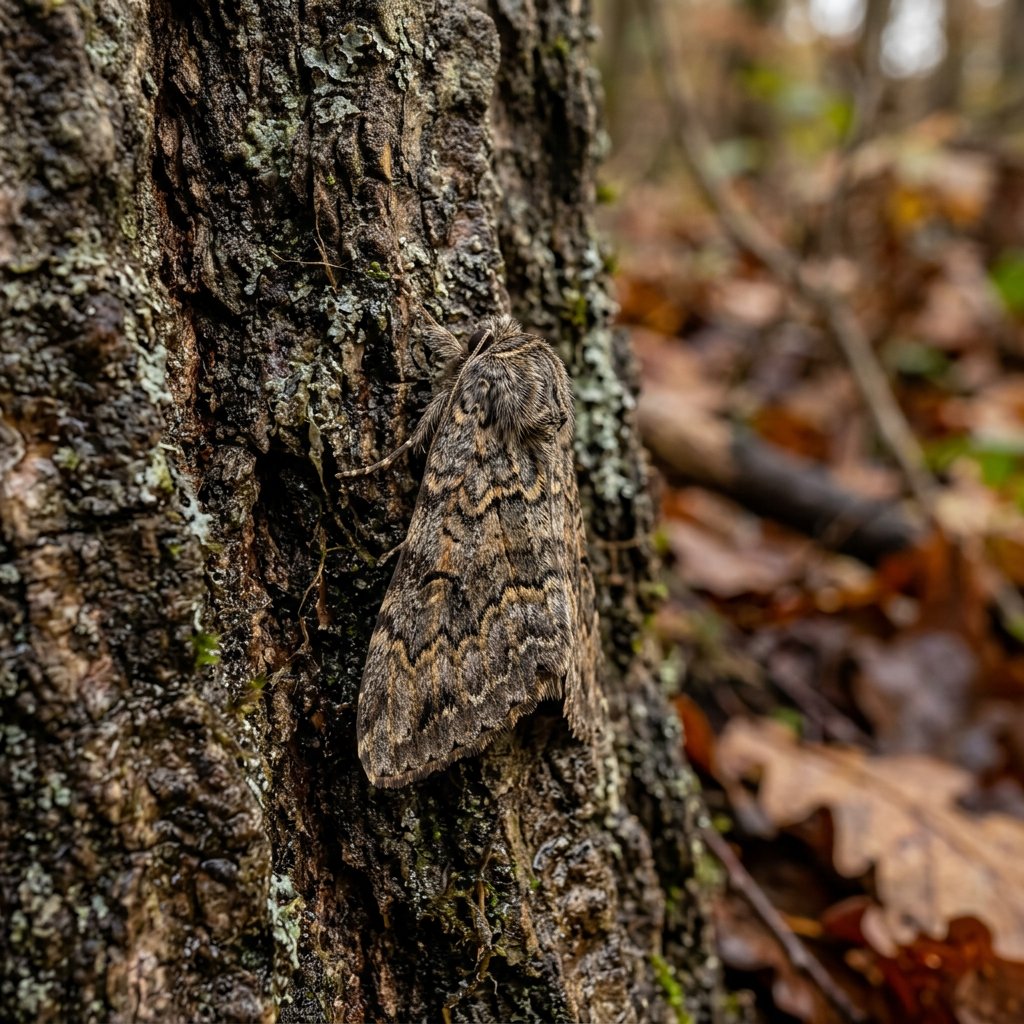
Often found resting in the cool shadows of a garden shed or the damp walls of a cave, the Tissue Moth (Triphosa dubitata) is a master of understated elegance. Its name comes from the delicate, glossy texture of its wings, which resemble crinkled silk or fine tissue paper. This moth is a "winter sleeper," choosing to spend the coldest months as an adult tucked away in dark, quiet corners.
🔍 How to Identify
- 🦋 Glossy Texture: The wings have a distinct shimmering, silken sheen that looks slightly metallic or "wet" when it catches the light.
- 〰️ Scalloped Edges: The trailing edges of the hindwings are notably "toothed" or jagged, giving the moth a unique, decorative silhouette.
- 📐 Resting Posture: It holds its wings flat against the surface in a wide triangle, often pressing its body tight against stones or wood to blend in.
🌲 Habitat & Ecology
- 🌳 The Buckthorn Specialist: In its caterpillar stage, this insect is a picky eater. It feeds almost exclusively on Buckthorn (Rhamnus) and Alder Buckthorn, making it a common sight in woodlands or gardens where these shrubs grow.
- 🌑 Subterranean Secrets: While most moths hide in leaf litter, the Tissue Moth loves "structural" dampness. It is frequently spotted by cave explorers and hikers hanging from the ceilings of tunnels, bunkers, and limestone caves during its long winter hibernation.
⚠️ Safety & Toxicity
- ✅ Harmless Neighbor: The Tissue Moth is completely safe. It does not bite, sting, or possess any chemical defenses that could harm humans or curious pets.
- 🏠 Winter Guests: If you find one in your cellar or unheated attic during the winter, don't worry—it’s just sleeping! Moving it to a warm room will wake it up too early, which can be fatal for the moth. It is best to let it rest until spring arrives.
✨ Fun Fact
🕰️ The Marathon Moth: While many moth species live for only a few days or weeks as adults, the Tissue Moth is a long-distance survivor. Because it hibernates through the winter, an individual moth can live for up to 10 months, an incredible feat for such a delicate-looking creature!
More Details








