Info
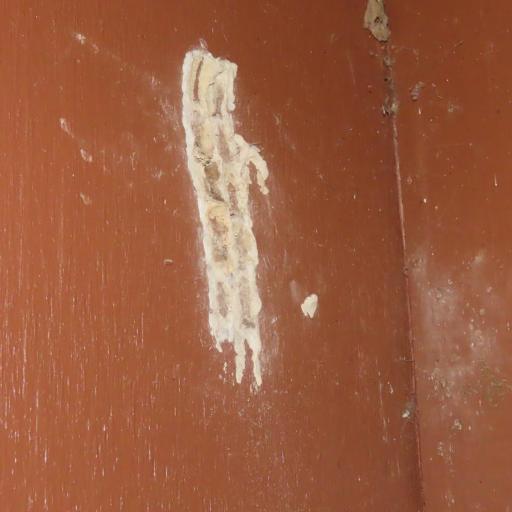
Often called "Keyhole Wasps" or "Pipe-Organ Mud Daubers," the Trypoxylon genus consists of sleek, solitary architects that are some of the best garden allies you can have. Despite their "wasp" label, they are peaceful neighbors who spend their days hunting spiders and building intricate mud nurseries in small crevices. They are famous for their ability to turn almost any small hole—including abandoned nail holes or garden canes—into a high-tech pantry for their young.
🔍 How to Identify
- 🛸 The Silhouette: They possess an extremely elongated and slender body with a distinct "thread-waist" (the petiole) that makes them look remarkably aerodynamic.
- 🖤 Coloration: Most species are a deep, glossy black, often sporting a silvery "face" due to fine, microscopic hairs that shimmer in the sunlight.
- 🦟 Wing Structure: Their wings are long, narrow, and typically translucent or slightly smoky, which they fold neatly over their backs when landing.
🌲 Habitat & Ecology
- 🕸️ The Spider Specialist: Trypoxylon are master hunters, but they don't eat their prey. They paralyze small spiders with a precise sting and carry them back to their nests to serve as a "living larder" for their larvae.
- 🏗️ Crevice Dwellers: Unlike many wasps that build hanging nests, these wasps are "renovators." They seek out pre-existing tubes, such as hollowed-out plant stems (like elderberry or bamboo) or holes in masonry, and seal them with perfectly smooth mud partitions.
⚠️ Safety & Toxicity
- 🕊️ Passive Nature: These are solitary wasps, meaning they have no "colony" to defend. They are incredibly docile and will almost never sting unless you physically catch and squeeze them.
- 🐝 Mild Sting: In the rare event of a sting, the venom is significantly weaker than that of a yellowjacket or honeybee, as it is biologically designed to paralyze spiders rather than cause pain to large mammals.
✨ Fun Fact
Male Trypoxylon wasps are rare "stay-at-home" dads in the insect world; while the female goes out to hunt spiders, the male often stays at the entrance of the mud nest to guard it against parasitic flies and other intruders.
More Details








