Info
Often called the "Northern Giant Hornet" and famously nicknamed the "Murder Hornet," this is the largest hornet in the world. While its name sounds like a horror movie title, this apex predator is a fascinating example of nature's raw power. Native to East Asia, it plays a critical role in its ecosystem by controlling populations of other large insects.
🔍 How to Identify
- 🐝 The Head: It features a strikingly large, wide head that is a solid, vivid orange-yellow color, making its dark eyes stand out.
- 📏 Size: Truly massive for an insect, adults can reach up to 2 inches (5 cm) in length—roughly the size of a human thumb.
- 🧥 The Abdomen: It displays a bold pattern of alternating dark brown or black bands with yellow-orange stripes, a classic "don't mess with me" warning.
🌲 Habitat & Ecology
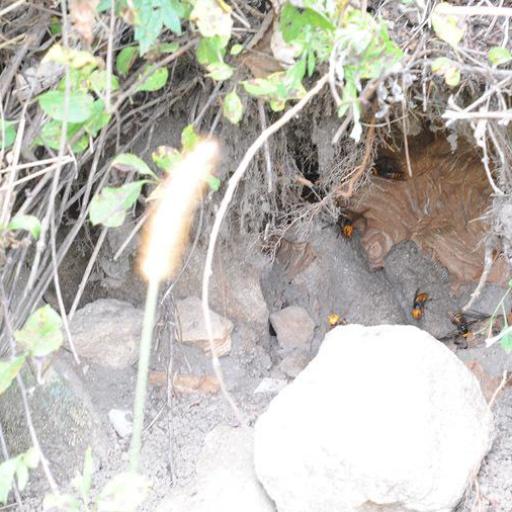
- 🕳️ Subterranean Homes: Unlike many wasps that build hanging paper nests, these giants prefer nesting in the ground, often utilizing rotted tree roots or abandoned rodent burrows.
- ⚔️ The Slaughter Phase: They are famous for their coordinated attacks on honeybee hives. A small group of hornets can decimate a colony of thousands in just hours to steal the nutrient-rich larvae.
- 🌲 Sap Seekers: While the larvae eat meat, the adults primarily fuel themselves with sugar, often seen feeding on the fermenting sap of oak trees.
⚠️ Safety & Toxicity
- 🚨 High Risk: The sting is exceptionally painful and contains a potent neurotoxin. Because of their size, they can inject a much larger volume of venom than a standard honeybee or yellowjacket.
- 🚑 Medical Warning: Multiple stings can be life-threatening even to people who aren't allergic, as the venom can cause organ failure in high doses.
- 🏠 Give Space: They are fiercely territorial near their nests. If you spot one, move away slowly and quietly; swatting at them can trigger an aggressive alarm response.
✨ Fun Fact
🔥 The Bee Ball: Japanese honeybees have evolved a "hot" defense mechanism. They swarm an invading hornet scout, vibrating their wing muscles to create a "bee ball" that raises the temperature to exactly 117°F (47°C)—just enough to cook the hornet alive without killing the bees!
More Details








