Info
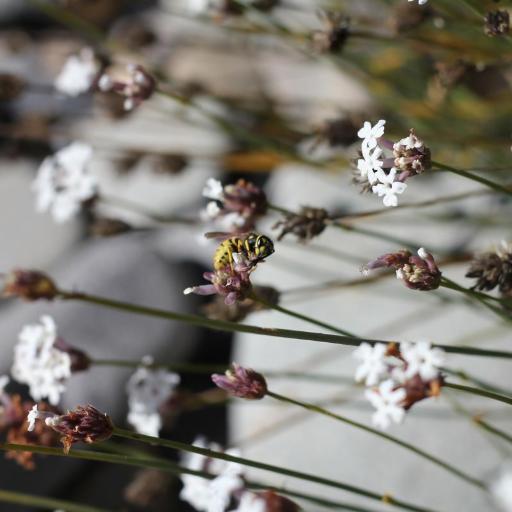
Known as the German Wasp or European Yellowjacket, this insect is often mistaken for a common bee, but its behavior and role in the ecosystem are quite different. While it is a master architect and a fierce predator of garden pests, it is most famous for being the uninvited guest at late-summer picnics. Though they have a reputation for being "mean," they are actually vital cleaners of the natural world.
🔍 How to Identify
- 🐝 The Facial "Signature": Unlike other yellowjackets, the German Wasp usually has three tiny, distinct black dots on its yellow face (the clypeus).
- 🖤 Anchor Markings: Look for a black "anchor" or "spade" shape on the first segment of its abdomen, surrounded by bright yellow and black bands.
- ✈️ Wing Fold: When at rest, they fold their wings lengthwise, making them look thinner and more streamlined than a honeybee.
🌲 Habitat & Ecology
- 🏗️ Subterranean Masterpieces: These wasps are primarily ground-nesters. They often take over abandoned rodent burrows or find gaps in garden retaining walls and attic eaves to build their intricate grey paper nests.
- 🥩 A Changing Diet: In the spring, they are "garden heroes," hunting caterpillars, flies, and spiders to provide protein for their larvae. By late summer, their needs shift to sugar, which is why they become obsessed with fallen fruit and sugary drinks.
⚠️ Safety & Toxicity
- 💥 High Defense: The German Wasp is highly territorial and much more aggressive than a bee. If the nest is disturbed, they will swarm and attack in large numbers.
- 🚫 Repeated Stings: Unlike honeybees, their stinger is smooth and not barbed. This means a single wasp can (and will) sting multiple times without dying.
- 🐾 Allergy Alert: Their venom contains pheromones that "mark" the target, signaling other wasps to attack. For humans and pets with allergies, a sting can be life-threatening; seek medical attention if swelling is severe or breathing becomes difficult.
✨ Fun Fact
🧪 Drunken Wasps: In late autumn, as food sources dwindle, German Wasps often feast on fallen, fermenting fruit. The alcohol in the fruit can actually make the wasps "tipsy," leading to clumsy flying and an even shorter temper!
More Details








