Info
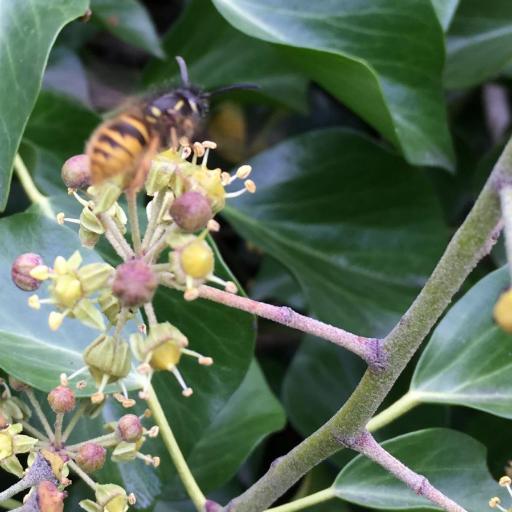
The Common Wasp, often called the "Yellowjacket" in some regions, is the quintessential uninvited guest at summer picnics. While they are frequently maligned for their bold behavior around sugary snacks, they are actually sophisticated social architects and essential "pest control officers" for your garden. In the natural world, they act as a vital balance, hunting thousands of crop-destroying caterpillars and flies to feed their developing larvae.
🔍 How to Identify
- ⚓ The Face Mark: Unlike its cousins, Vespula vulgaris typically sports a distinct black mark shaped like an anchor or a downward-pointing arrow on its yellow face.
- ⏳ The Wasp Waist: It possesses a very pronounced, narrow "waist" (petiole) connecting the thorax to the abdomen, which allows for extreme flexibility during flight and stinging.
- 🏁 Color Pattern: It features vivid yellow and black bands across the abdomen. On the sides of the thorax, the yellow markings usually form a continuous line or a specific "comma" shape.
🌲 Habitat & Ecology
- 🏗️ Paper Palaces: These wasps are master recyclers; they chew up weathered wood and mix it with saliva to create a grey, papery pulp. They use this "wasp paper" to build intricate, multi-layered hexagonal combs, often hidden in underground burrows, tree hollows, or attic spaces.
- 🍕 Seasonal Scavengers: Their diet changes with the calendar. In early summer, they are hunters seeking protein (insects) for their colony. By late summer, the "social contract" of the nest shifts, and the adults go on a hunt for sugar, which is why they become so persistent around your fruit, soda, and ice cream.
⚠️ Safety & Toxicity
- 🚫 Status: High Defensive Capability.
- 🩹 Details: Unlike honeybees, a common wasp has a smooth stinger, meaning it can sting multiple times without dying. They are not naturally aggressive but will defend their nest fiercely. Their venom contains pheromones that "mark" the target, signaling other wasps to join the attack. If you are stung and experience swelling of the throat or difficulty breathing, seek medical attention immediately, as some people are severely allergic.
✨ Fun Fact
- 📜 The First Papermakers: Humans actually learned how to make paper from wood pulp by watching wasps! In the early 1700s, French scientist René Antoine Ferchault de Réaumur noticed that wasps made paper-like nests without using rags (the human method at the time) and suggested that we could do the same with trees.
More Details








