Info
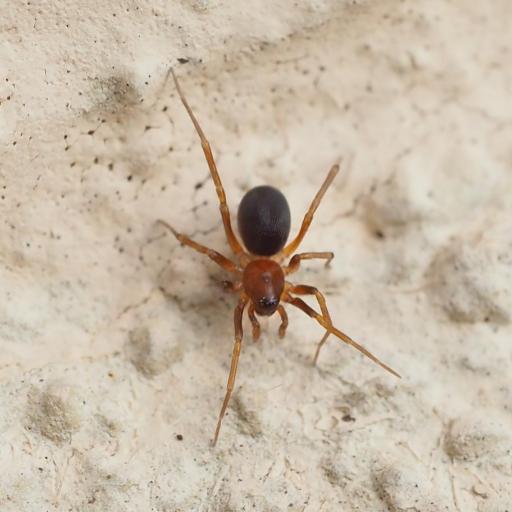
Meet the ultimate undercover agent of the leaf litter. Zodarion is a genus of specialized spiders that have mastered the art of "ant-mimicry" to survive in a dangerous world. Often called Ant-eating Spiders, these clever arachnids don't just look like ants to hide from predators; they look like ants so they can walk right into the "lion's den" and snatch a meal.
🔍 How to Identify
- 🐜 Ant-Like Silhouette: They have slender, elongated bodies and a narrow "waist" that mimics the segments of an ant, helping them blend into a colony.
- 🕷️ Eight-Legged Trickery: While they have eight legs, they often hold their front pair up and wave them around to mimic an ant’s twitching antennae.
- 🎨 Polished Colors: Their bodies are typically shiny and range from deep mahogany to burnt orange or black, perfectly matching the specific ant species they prey upon.
🌲 Habitat & Ecology
- ☀️ Sun-Lovers: You’ll most likely spot these spiders in dry, sunny areas, particularly on stony ground, Mediterranean scrublands, or near the edges of garden paths where ants frequent.
- 🏹 The Hit-and-Run Hunter: Unlike spiders that spin sticky webs, Zodarion is a free-roaming hunter. It uses a "strike and retreat" tactic—nipping an ant's leg to inject venom and then following the scent trail until the ant collapses, safely away from the rest of the angry colony.
- 🏠 Silk Retreats: During the day or when molting, they build small, igloo-shaped silk retreats reinforced with tiny pebbles or bits of soil, often hidden under stones.
⚠️ Safety & Toxicity
- 🟢 Harmless: To humans and pets, Zodarion is considered harmless. Their fangs are generally too small to pierce human skin, and they are not aggressive toward anything larger than a bug.
- 🐜 Ant Specialist: Their venom is highly specialized to paralyze ants and has very little effect on mammals. They are actually great natural pest controllers if you have an overabundance of ants near your patio.
✨ Fun Fact
Zodarion spiders are so committed to their "costume" that they even move like ants, using a zigzagging walking pattern rather than the straight-line or scurrying movement typical of most other spiders!
More Details








