Info
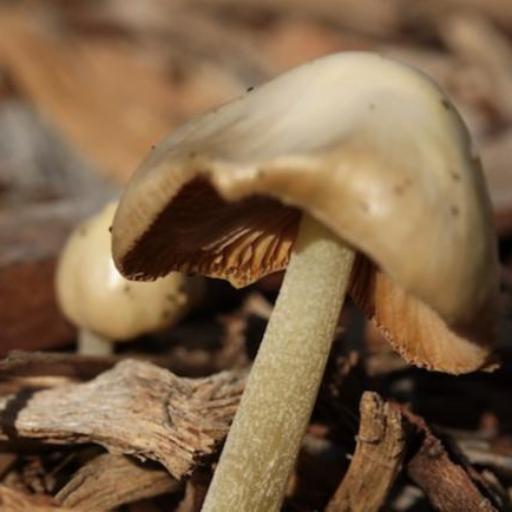
Known as the Yellow Fieldcap or the Egg Yolk Fieldcap, this mushroom is a fleeting morning surprise in many suburban lawns. Its bright, sunshine-yellow cap looks exactly like a perfectly poached egg nestled in the grass. This "here today, gone by noon" fungus is a favorite for nature photographers who enjoy catching it before it wilts under the afternoon sun.
🔍 How to Identify
- 🍳 The "Egg Yolk" Cap: When young, the cap is a brilliant lemon-yellow and coated in a sticky, jelly-like slime (viscid). It starts as a neat oval but eventually flattens out.
- 🕯️ Fragile Stem: The stem is pale yellow to white, very thin, and incredibly brittle. It is often covered in tiny, mealy particles that rub off easily.
- 🍂 Shifting Gills: The gills underneath start off whitish but quickly turn a rusty-cinnamon brown as the spores mature, providing a sharp contrast to the yellow cap.
🌲 Habitat & Ecology
- 🌾 Rich Grounds: You will most likely find these in grassy areas that are rich in nutrients, such as well-fertilized lawns, cow pastures, or piles of aging mulch and compost.
- 🌦️ Rain Chaser: They are saprobic, meaning they break down dead organic matter. They almost always appear immediately after a heavy rain, popping up overnight to release their spores before the heat of the day dries them out.
⚠️ Safety & Toxicity
- 🛑 WARNING: The Yellow Fieldcap is generally considered inedible. While it is not documented as being "deadly" like some of its woodland cousins, it has no culinary value and is too thin and fragile to be used as food.
- 🐾 Pet Watch: Because these frequently grow in backyards and parks, keep a close eye on curious dogs. Ingesting them may cause mild gastrointestinal distress or vomiting in pets, so it is best to remove them if your dog is a "grazer."
✨ Fun Fact
The species name titubans comes from the Latin word for "staggering" or "wavering." This refers to the mushroom's incredibly weak, wobbly stem that struggles to hold up the weight of the cap, making it look like it's tipsy in the wind!
More Details







