Info
Often called the Ringed Conecap, Conocybe arrhenii is a delicate, "little brown mushroom" that frequently makes an uninvited appearance in backyard gardens. While it looks modest and fragile, it belongs to a complex group of fungi that requires a careful eye. Its appearance is a sign of healthy, nutrient-rich soil, though its presence in a family yard requires a watchful eye on pets and children.
🔍 How to Identify
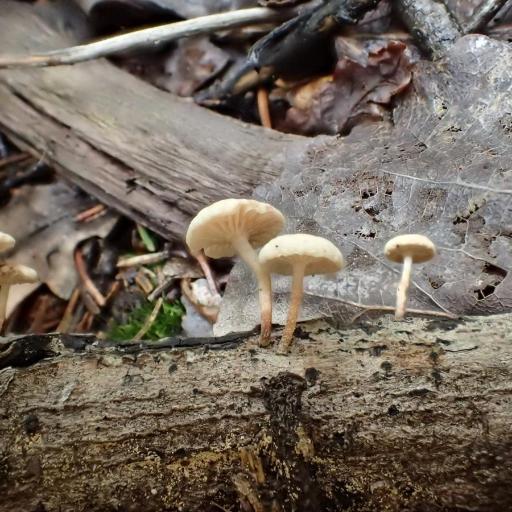
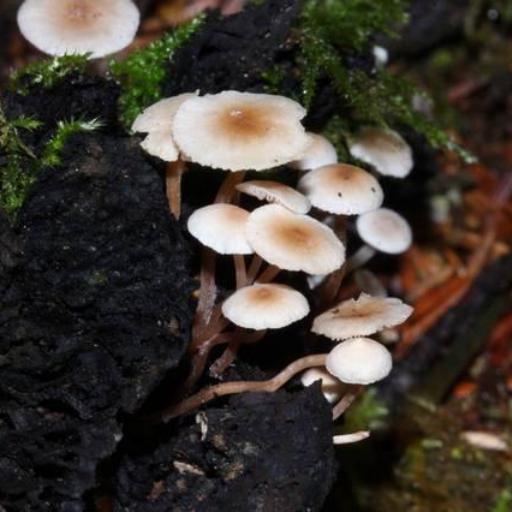
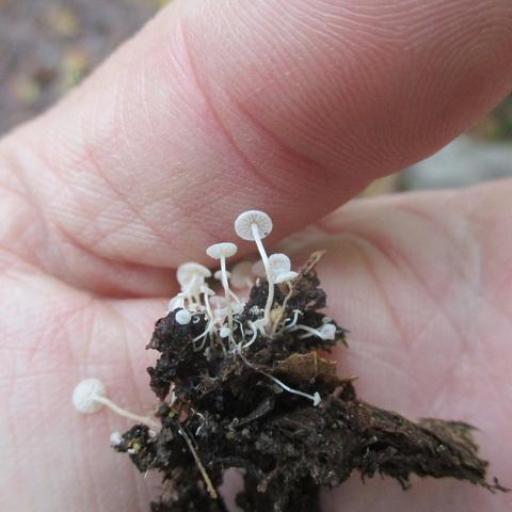
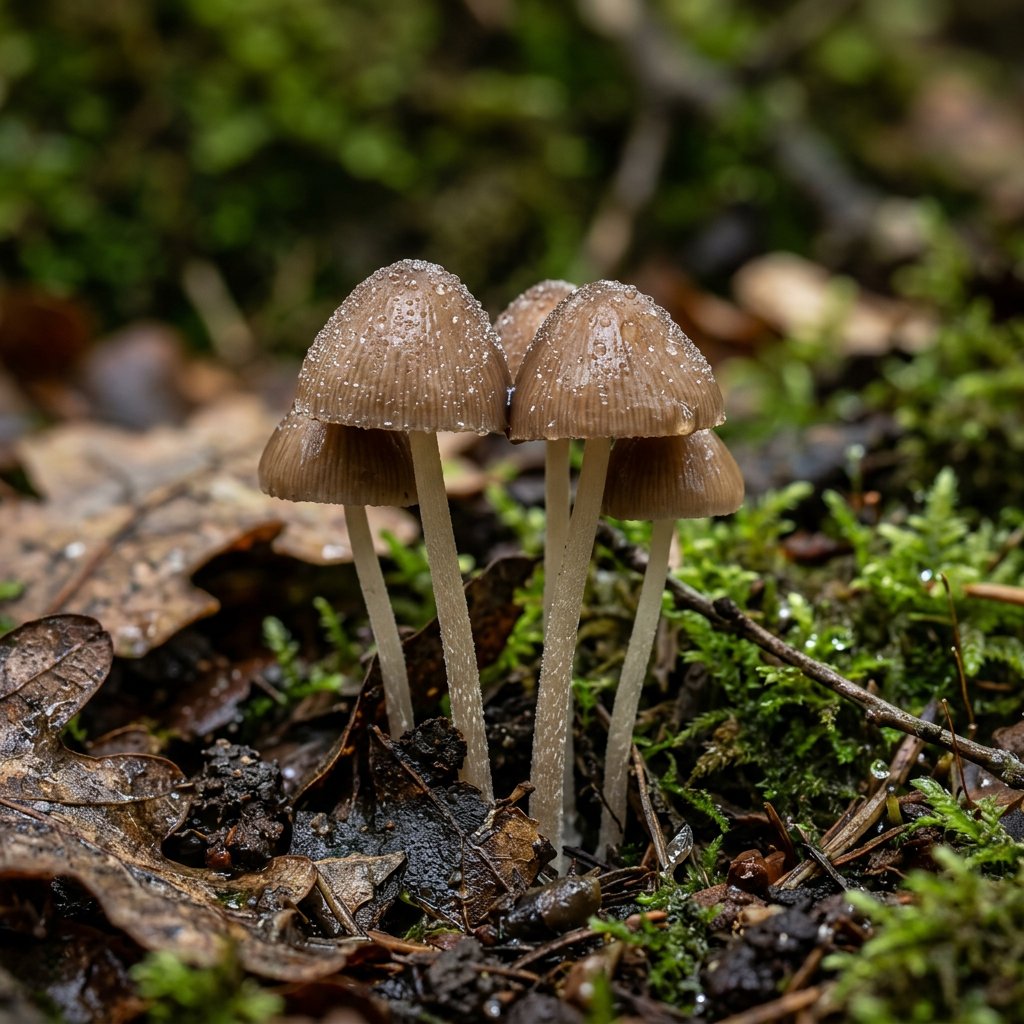
- 🍄 The Cap: Measuring just 1 to 3 centimeters, the cap starts as a neat bell shape before flattening out. It is typically a warm ochre or cinnamon-brown, often appearing darker and slightly translucent when damp.
- 💍 The Ring: Its most distinguishing feature is a tiny, delicate "skirt" or ring (annulus) located on the upper half of the stem. This ring is fragile and can sometimes slide down the stem or fall off entirely.
- 🍂 The Gills: Underneath the cap, the gills are crowded together. They start out pale but transition to a deep rusty brown as the spores mature.
🌲 Habitat & Ecology
- 🏡 Garden Companion: This species is a "saprobe," meaning it eats dead organic matter. It loves human-disturbed habitats and is commonly found in woodchips, mulched flowerbeds, and rich garden soil.
- 🌦️ Seasonal Guest: It is most active during the transition periods of late summer and autumn, usually popping up overnight following a heavy soaking rain.
⚠️ Safety & Toxicity
- 🚫 WARNING: Highly Toxic. Conocybe arrhenii is known to contain amatoxins—the same deadly chemical compounds found in the notorious Death Cap mushroom.
- 🐾 Family Safety: Because this mushroom frequently grows in lawns and gardens, it poses a high risk to curious toddlers and pets. If ingested, it can cause severe liver damage and gastrointestinal distress. It should never be consumed under any circumstances.
✨ Fun Fact
While it looks simple, scientists have spent decades debating its "true" name. Depending on which book you read, it may be listed as Pholiotina arrhenii. The name change depends on whether a mycologist focuses on the microscopic structure of its skin or the presence of that tiny, characteristic ring!
More Details