Info
Often overlooked among the moss and pine needles, Galerina sideroides is a quintessential "Little Brown Mushroom" (LBM). While it lacks the iconic spots of a storybook toadstool, its delicate, bell-shaped cap makes it a subtle beauty of the damp forest floor. In the world of foraging, it serves as a stern reminder that nature's most modest-looking creations can hold the most potent secrets.
🔍 How to Identify
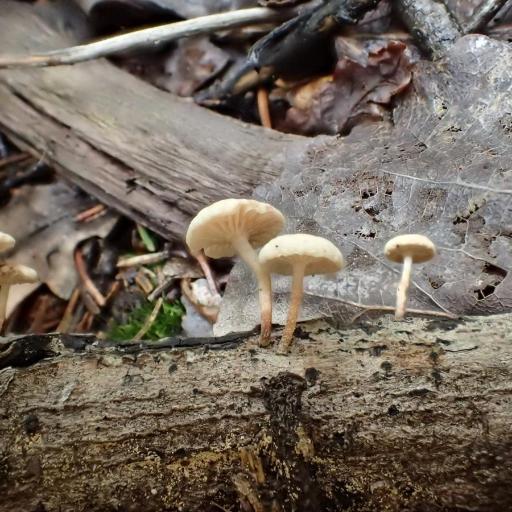
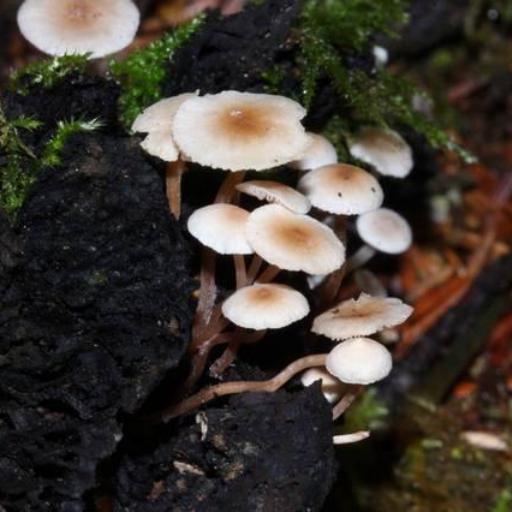
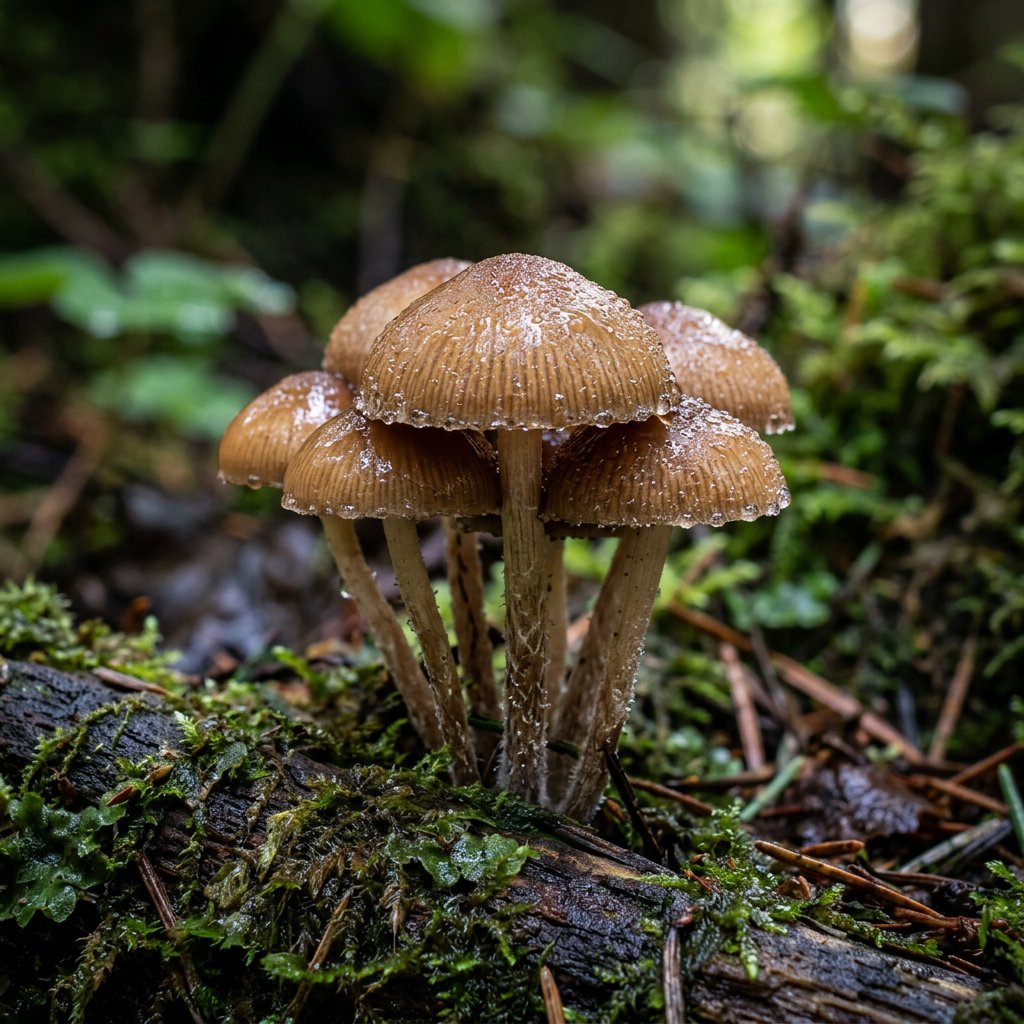
- 🍄 The Cap: Small and fragile, typically 1 to 3 cm in diameter. It starts as a sharp cone and matures into a bell shape. It is "hygrophanous," meaning it changes color drastically from a deep, waxy tawny-brown when wet to a pale tan as it dries.
- 🍂 The Gills: The gills are spaced closely together and are a pale brownish-ochre. They are usually "adnate," meaning they attach squarely to the stem.
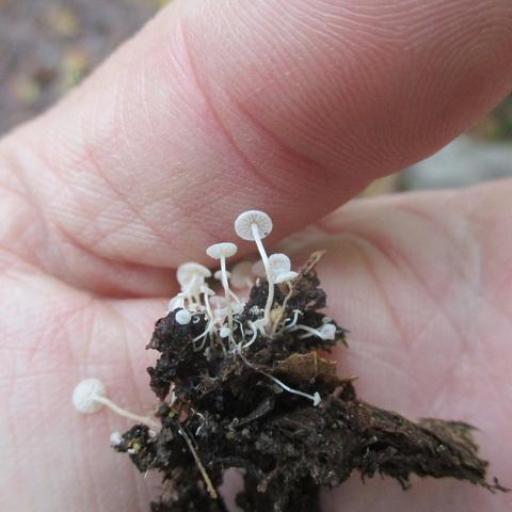
- 🎋 The Stem: The stalk is very thin, hollow, and easily snapped. It is usually darker toward the base and may have a faint, silky dusting of fibers, though it lacks a sturdy, permanent ring.
🌲 Habitat & Ecology
- 🌲 Coniferous Preference: This species is a saprobic recycler, meaning it feeds on dead organic matter. You will most likely find it tucked away in coniferous forests, growing directly out of rotting wood or thick mats of fallen needles.
- 💧 Late Season Specialist: It prefers the cool, damp breath of late autumn and early winter. It rarely grows alone, usually appearing in small, scattered troops across the forest floor after heavy rains.
⚠️ Safety & Toxicity
- 🛑 STRICT WARNING: This mushroom belongs to a genus famous for containing deadly amatoxins. While Galerina sideroides is less documented than its cousin, the "Funeral Bell," it is considered highly suspicious and potentially toxic.
- 🧪 Dangerous Lookalikes: It can be easily confused with edible "Magic Mushrooms" or small Marasmius species. Because ingestion of Galerina toxins can lead to permanent liver and kidney failure, it should never be handled or consumed by hobbyists.
✨ Fun Fact
- 🔗 The Iron Name: The name sideroides comes from the Greek word sideros, meaning "iron." This doesn't refer to its strength, but rather to the rusty, iron-like color the cap develops when it is fully saturated with rainwater.
More Details