Info
Often referred to as the Russet Toughshank, Gymnopus ocior is a modest but resilient decomposer that frequently pops up in woodland leaf litter or garden mulch. While it may not have the towering presence of a Porcini, its deep, warm colors and "tough" personality make it a fascinating find for any forest wanderer. In European folklore, small mushrooms like these were often thought to be the umbrellas of forest spirits hiding from the rain.
🔍 How to Identify
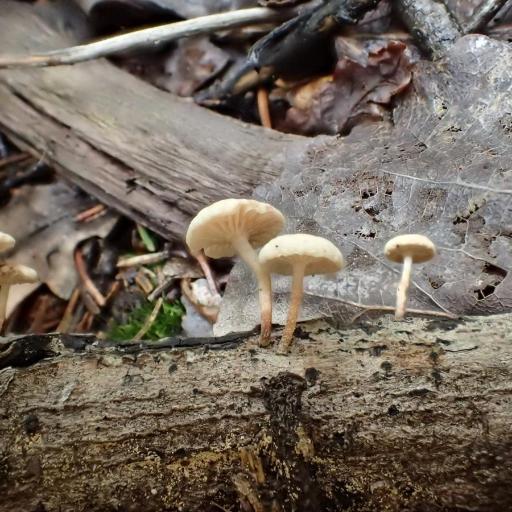
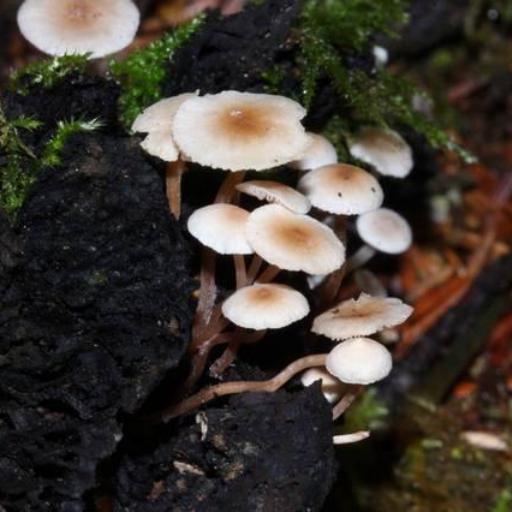
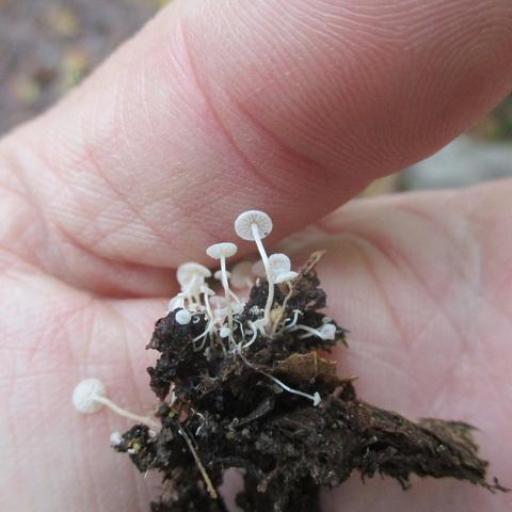
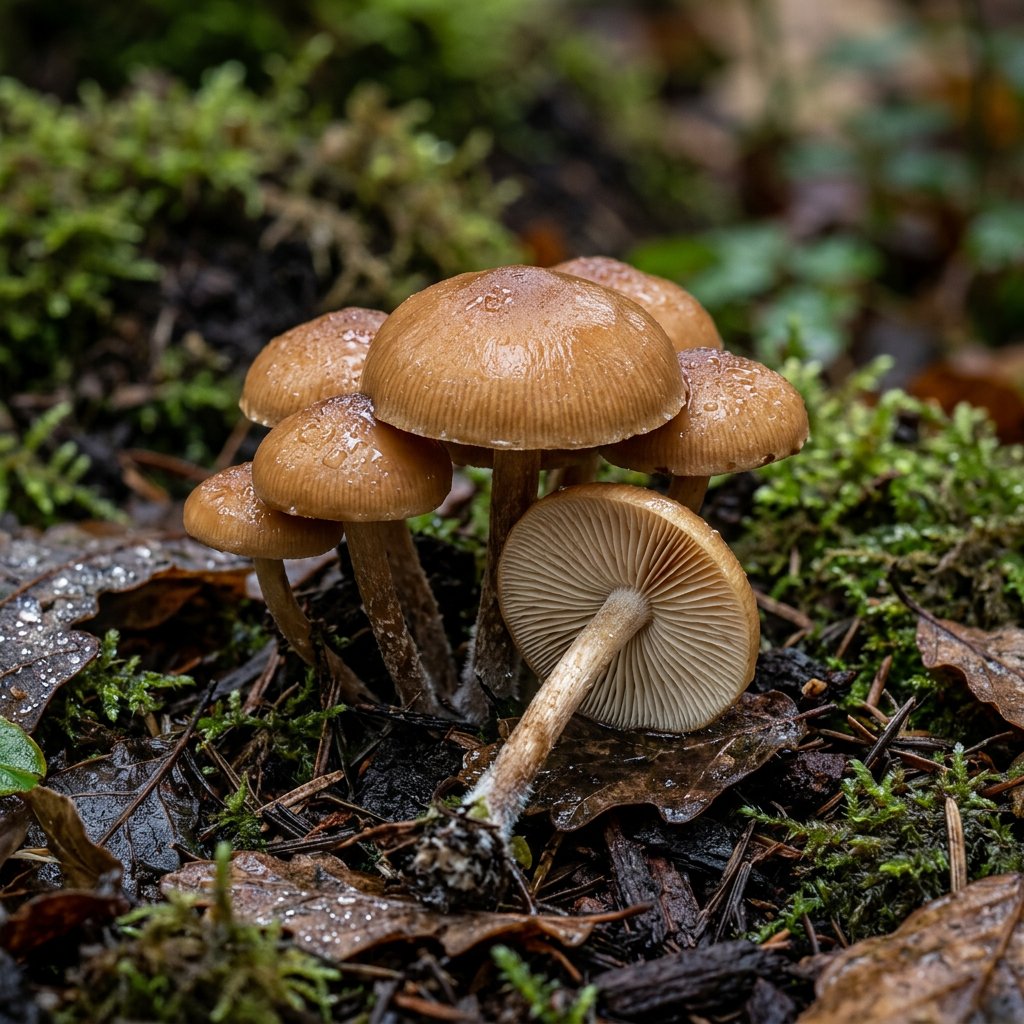
- 🍄 The Cap: Usually 2–5 cm wide, the cap starts convex and flattens with age. It boasts a rich, dark reddish-brown or "russet" color that often fades to a pale tan as it dries out.
- 🟡 The Gills: Unlike many of its relatives, the gills are remarkably crowded and vary from pale cream to a distinct yellowish-tan, attaching narrowly to the stem.
- 🦵 The Stem: True to its "Toughshank" name, the stem is fibrous and resilient rather than brittle. It is typically smooth, hollow, and matches the yellowish tones of the gills, often darkening toward the base.
🌲 Habitat & Ecology
- 🍂 Nature’s Recycler: This fungus is saprobic, meaning it survives by breaking down dead organic matter. You’ll most likely find it growing among deciduous leaf litter, coniferous needles, or even on old wood chips in suburban gardens.
- 🤝 Woodland Presence: It is a hardy species that often appears in late spring and continues through autumn, playing a vital role in turning forest floor debris back into nutrient-rich soil.
⚠️ Safety & Toxicity
- 🛑 WARNING: The edibility of Gymnopus ocior is unknown and generally considered suspicious. Many members of the Gymnopus genus contain compounds that can cause gastrointestinal distress.
- 🧪 Look-alike Danger: It is very easily confused with other "Toughshanks," some of which are toxic. Because identification requires expert microscopic analysis to be 100% certain, this mushroom should never be consumed. Keep curious pets and children away from specimens found in the yard.
✨ Fun Fact
The "Toughshank" family earned its name because the stems are surprisingly flexible. While most mushroom stems will snap cleanly like a carrot, a Toughshank stem can often be twisted or bent significantly without breaking, a trait that helps them survive the trampling of forest animals!
More Details