Info
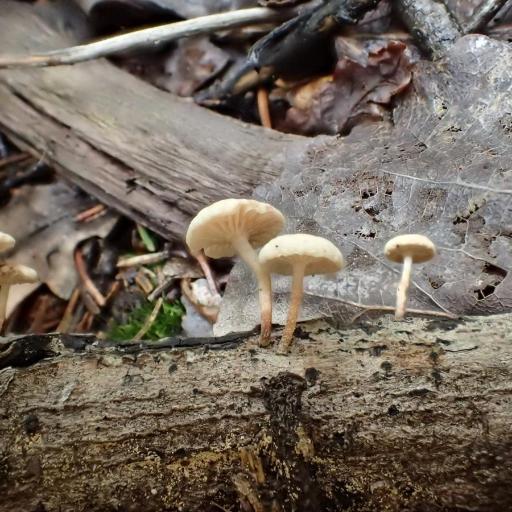
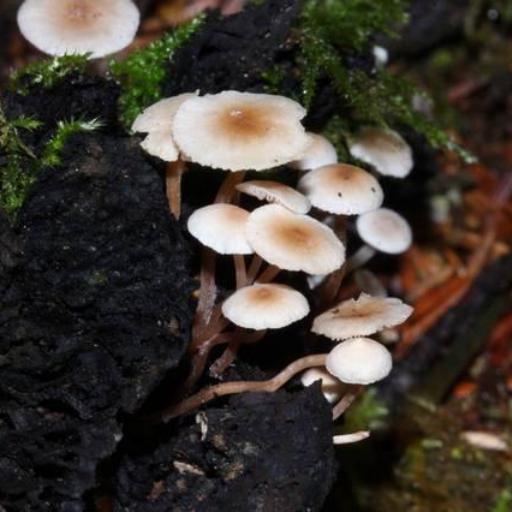
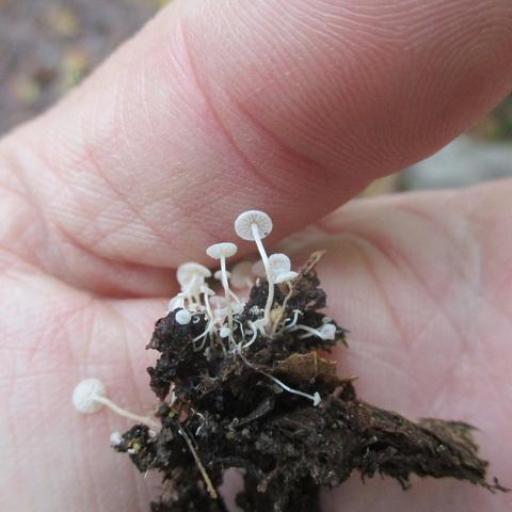
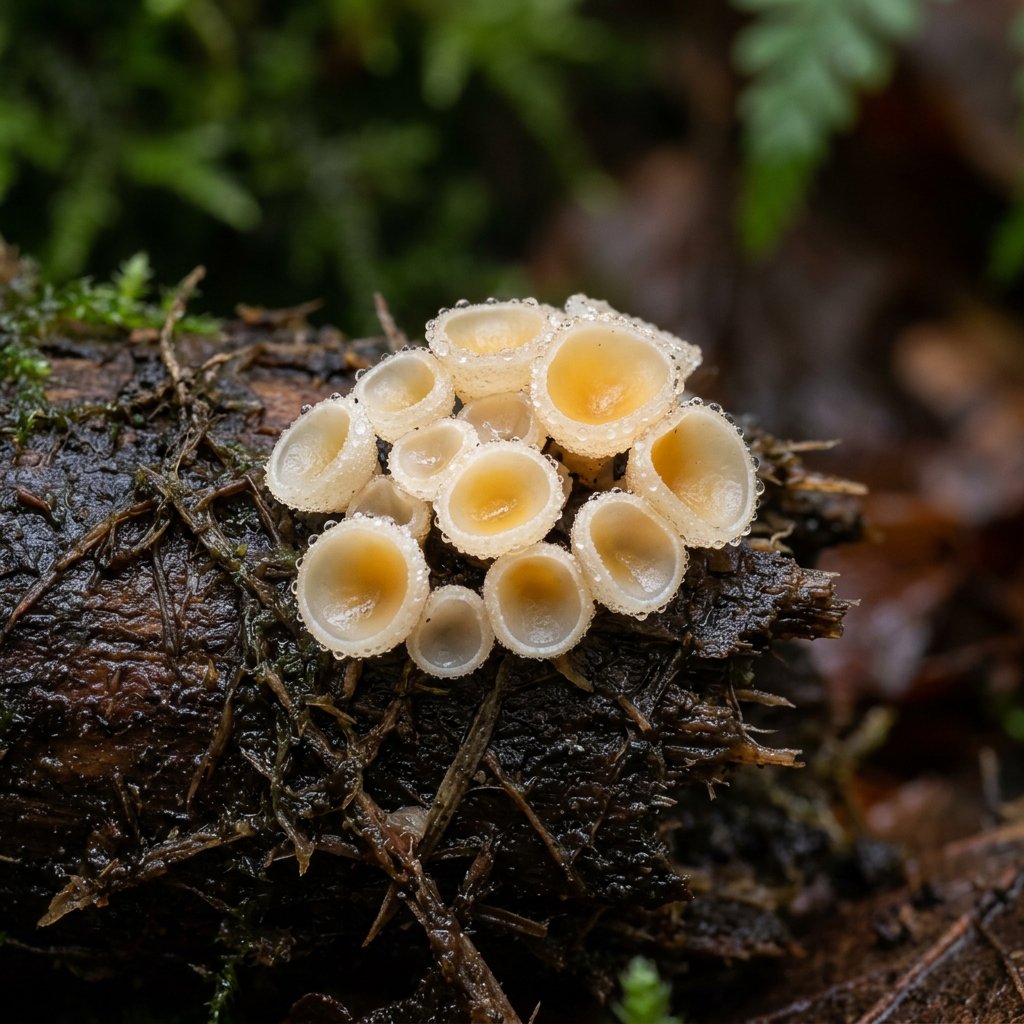
Often called the Nut Disco or the Acorn Cup, this tiny treasure is a delight for those who look closely at the forest floor during the damp autumn months. Resembling miniature, pale-yellow wine glasses, these fungi are the specialized "clean-up crew" for fallen nuts and seeds. Finding a cluster of them feels like discovering a secret dinner party held for forest sprites among the leaf litter.
🔍 How to Identify
- 🍶 The Cup: A tiny, smooth, and shallow disc or cup shape, usually measuring only 1 to 4 millimeters wide. It starts concave and flattens out as it matures.
- 🎨 The Color: Typically a uniform pale cream, ivory, or buttery yellow. The color is bright enough to pop against the dark, decaying husks it grows on.
- 🦴 The Stalk: It possesses a distinct, short, and slender stem (stipe) that anchors the cup to its host, often making the fungus look like a tiny golf tee.
🌲 Habitat & Ecology
- 🌰 Host Specificity: This fungus is a specialist; it grows almost exclusively on decaying nuts. You will most often find it on old acorns, beech mast, hazelnuts, or occasionally on fallen birch catkins.
- 🍂 The Recycler: It is a saprobic species, meaning it survives by breaking down dead organic matter. It plays a vital role in forest ecosystems by decomposing tough, woody seed casings and returning nutrients to the soil.
- 🌧️ Seasonal Timing: It thrives in high humidity and is most commonly spotted from late summer through late autumn, especially after heavy rains have soaked the forest floor.
⚠️ Safety & Toxicity
- 🚫 Status: This fungus is considered inedible.
- 🔬 Details: While there are no records of it being dangerously toxic, its microscopic size and tough, leathery texture mean it has no culinary value whatsoever. Furthermore, because it grows on decaying matter in the soil, it can easily be contaminated with bacteria or heavy metals.
- 🐾 Pets: Due to its tiny size, it is unlikely to be noticed or consumed by pets, but it is always best to prevent curious dogs from "snacking" on unidentified forest debris.
✨ Fun Fact
- 📖 The species name fructigenus literally translates to "fruit-born." This refers to its unique habit of emerging specifically from the fruits (nuts) of trees rather than from the soil or rotting logs like most other cup fungi!
More Details