Info
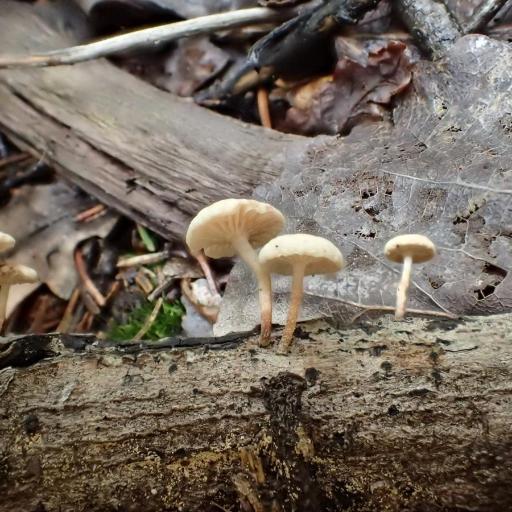
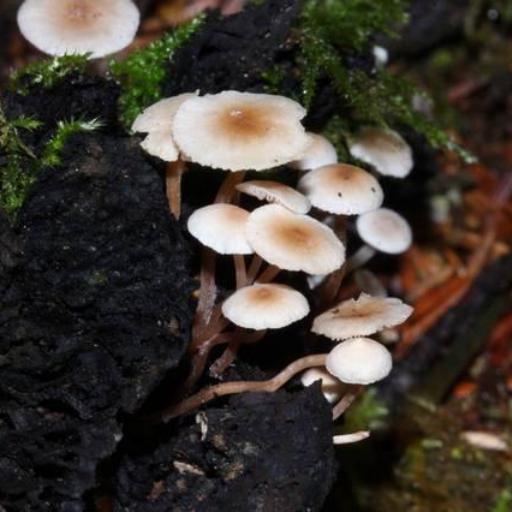
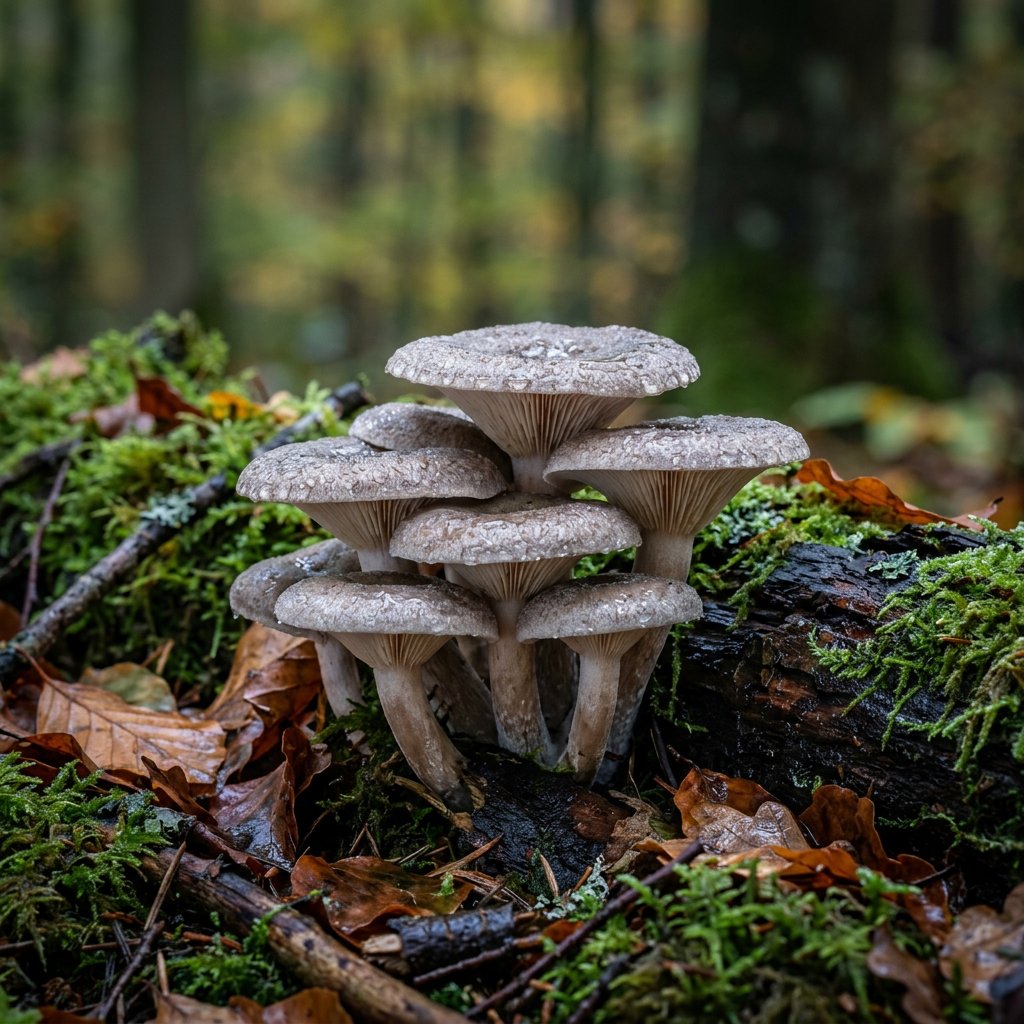
Commonly known as the Grey Milkcap, this modest mushroom is a subtle resident of the forest floor. Like its cousins in the Lactarius genus, it is famous for "bleeding" a milky sap when injured, a trait that has earned these fungi the nickname "Milkies" among foragers. While it lacks the vibrant colors of some other mushrooms, its velvety grey appearance makes it a charming find tucked away in the moss.
🔍 How to Identify
- 🍄 The Cap: Small and unassuming (usually 1–5 cm wide), the cap is a dull brownish-grey or lilac-grey. It often has a small central bump (umbo) that eventually sinks into a shallow funnel shape as it matures.
- 🥛 The Milk (Latex): When the gills are sliced, the mushroom exudes a white, watery "milk." In Lactarius griseus, this milk stays white or may very slowly turn a pale cream color upon exposure to air.
- 🧶 Texture: The surface of the cap is notably dry and slightly scurfy or velvety to the touch, rather than slimy, which helps distinguish it from other greyish milkcaps.
🌲 Habitat & Ecology
- 🌲 Tree Partners: This mushroom is mycorrhizal, meaning it lives in a symbiotic relationship with trees. It is most frequently found growing near Hemlock, Pine, or Birch trees, where it exchanges nutrients with their root systems.
- 🟢 Mossy Preferences: You are most likely to spot the Grey Milkcap in damp, shaded areas, often emerging from thick carpets of Sphagnum moss or decaying leaf litter during the late summer and autumn months.
⚠️ Safety & Toxicity
- 🛑 WARNING: Do not consume this mushroom. While not famously deadly, the edibility of Lactarius griseus is generally listed as "unknown" or "suspect."
- 👅 Acrid Defense: Many small grey milkcaps contain chemical compounds that are extremely acrid or peppery, which can cause significant gastrointestinal distress if eaten.
- 🚫 Identification Risk: It is easily confused with other small, drab mushrooms, some of which may be more seriously toxic. Always admire this species with your eyes, not your plate.
✨ Fun Fact
The "milk" produced by these mushrooms isn't just for show—it is a sophisticated defense mechanism! The sticky latex can gum up the mouthparts of hungry insects and contains pungent compounds designed to deter slugs and snails from finishing their meal.
More Details