Info
Often called the Fragrant Bracket or the Anise-scented Polypore, this small, unassuming mushroom is a sensory superstar of the fungal world. While it may not look like much at first glance, it is famous for its intoxicatingly sweet perfume that can often be detected before the mushroom is even seen. Historically, its scent was so prized that dried specimens were used as natural air fresheners in homes.
🔍 How to Identify
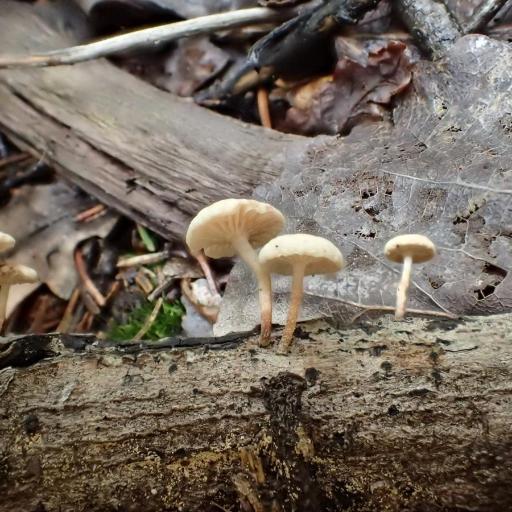
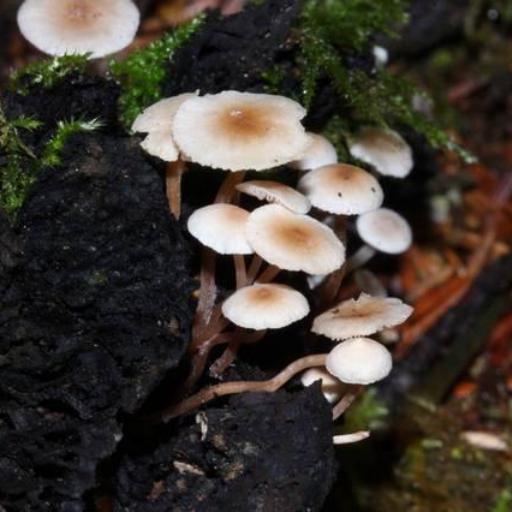
- 🍄 The Cap: Small and sturdy (usually 2–5 cm wide), it is often funnel-shaped or slightly depressed in the center. The color ranges from a creamy ivory to a soft, straw-yellow.
- 🕸️ Honeycomb Pores: Instead of traditional gills, the underside features large, angular, or diamond-shaped pores. These "honeycomb" structures are a hallmark of the Neofavolus genus.
- 🧪 The Signature Scent: Its most defining trait is a powerful, candy-like aroma of anise, licorice, or bitter almonds. If you find a small white mushroom on wood that smells like a spice cabinet, you’ve likely found it.
🌲 Habitat & Ecology
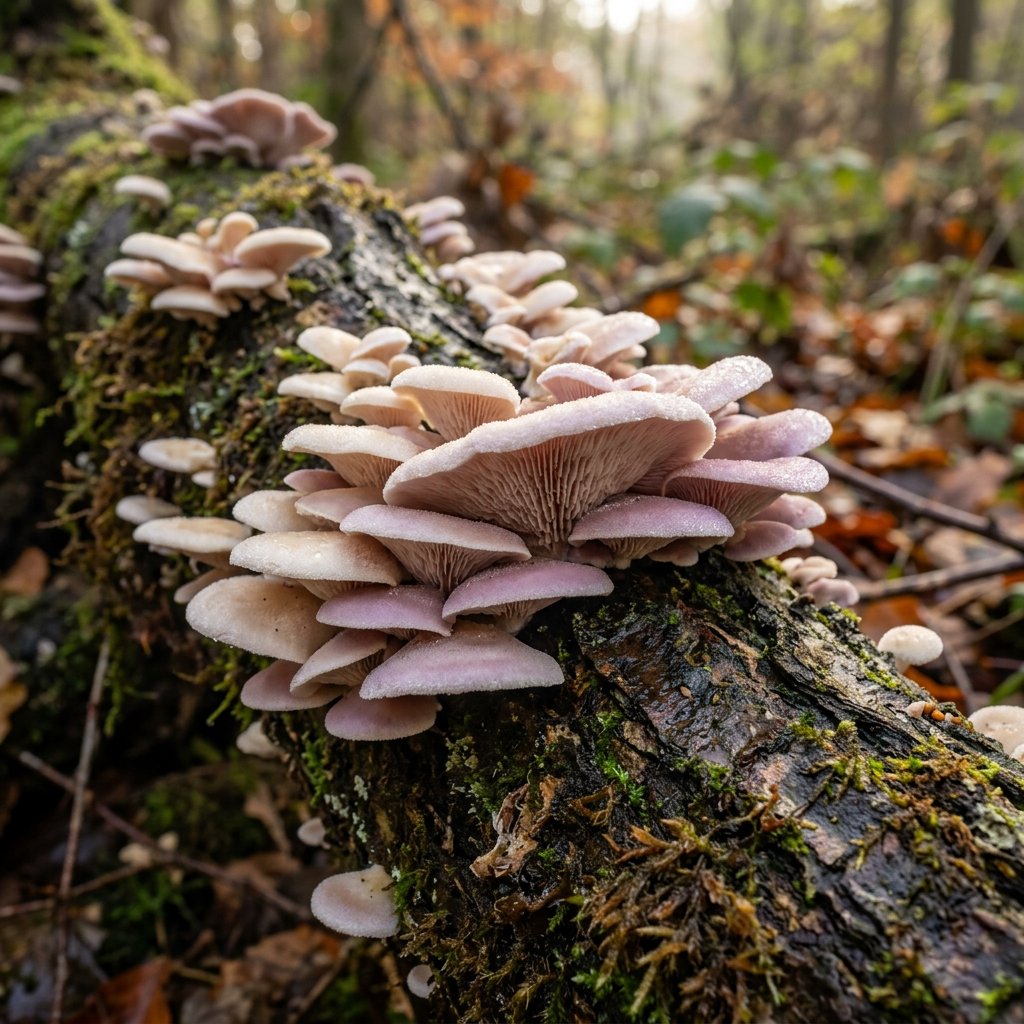
- 🌿 Tree Specialization: This mushroom is a saprobe, meaning it breaks down dead wood. It has a very specific "diet," almost exclusively appearing on the fallen branches or trunks of Willow (Salix) and Poplar trees.
- 💧 Riparian Resident: Because it loves willows, you are most likely to spot it in damp, low-lying areas such as riverbanks, lake edges, or marshy woodlands during the late summer and autumn.
⚠️ Safety & Toxicity
- 🚫 WARNING: Do not consume wild mushrooms unless they have been identified as safe by a local mycological expert.
- 🦷 Texture Over Toxicity: While not known to be "deadly," Neofavolus suavissimus is universally categorized as inedible. Its flesh is extremely tough, leathery, and cork-like, making it impossible to chew or digest.
- 🐾 Pet Safety: While not a common cause of pet poisoning, its tough fibers could cause intestinal blockages if ingested by curious dogs.
✨ Fun Fact
The specific epithet suavissimus is Latin for "sweetest." In the past, people would place dried pieces of this mushroom in their clothing chests or drawers to keep their linens smelling like fresh licorice!
More Details