Info
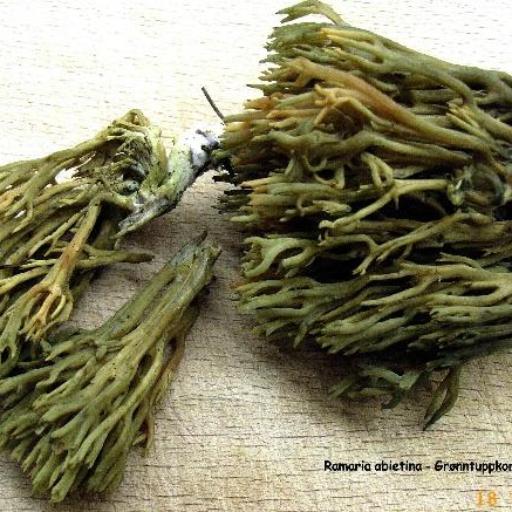
Known as the Green-staining Coral, this mushroom looks like a delicate piece of the Great Barrier Reef has been transported to the forest floor. Often found nestled among fallen needles, it is famous for its "magical" ability to change color from a dull ochre to a deep, bruised green when touched. While it adds a splash of oceanic beauty to the woods, it is a fungus that prefers the quiet company of evergreens over the sea.
🔍 How to Identify
- 🌲 The Branching: It grows in upright, crowded clusters of branches that resemble miniature stag horns or sea coral, usually reaching 2 to 5 centimeters in height.
- 🟢 The Color Shift: While it starts as an earthy yellow or tan color, the tips and stems will slowly turn a distinct olive or forest green if they are bruised or as the mushroom ages.
- ❄️ The Base: At the very bottom, where it meets the soil, you will often see white, fuzzy threads (mycelium) clinging to dead conifer needles.
🌲 Habitat & Ecology
- 🌲 The Conifer Connection: This fungus is a specialist; it thrives almost exclusively in the needle litter of coniferous forests, particularly under Fir (Abies) and Spruce trees.
- 🍂 The Great Recycler: It acts as a saprobe, meaning it spends its life breaking down tough fallen needles and forest debris, recycling nutrients back into the soil to feed the towering trees above.
⚠️ Safety & Toxicity
- 🚫 Status: WARNING: Inedible. While not known to be a "killer" mushroom, it is universally classified as inedible for humans.
- 🤢 The Risk: It is often extremely bitter and can cause significant stomach upset or gastrointestinal distress if consumed. Because many "coral" mushrooms look nearly identical and some are quite toxic, it is best to enjoy this one strictly with your camera.
✨ Fun Fact
The name abietina is derived from Abies, the Latin name for the Fir tree. It is one of the few mushrooms in the world that turns green as it decomposes—most others simply turn brown or black—making it a favorite for nature photographers looking for "zombie" fungi!
More Details







