Plant Overview
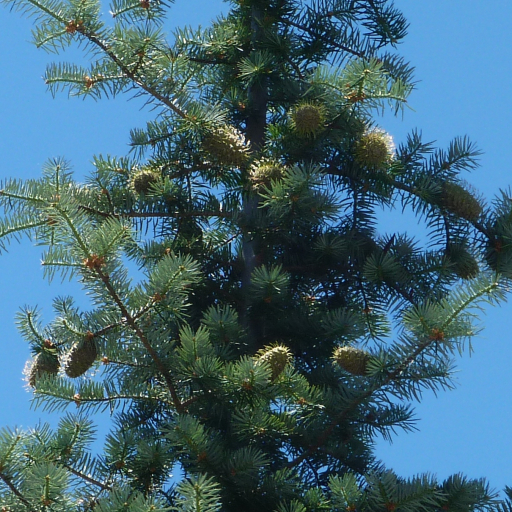
Known as the rarest fir in North America, the Santa Lucia Fir (or Bristlecone Fir) is a true "living relic" from a bygone era. Clinging to the rugged, mist-shrouded peaks of California’s Santa Lucia Mountains, this tree looks like something out of a Gothic fairytale with its spire-like top and unique, "whiskered" cones.
🔍 How to Identify
- 🌲 The Silhouette: Unlike the rounded tops of many evergreens, this tree grows in a remarkably narrow, sharp spire that resembles a church steeple.
- 🗡️ The Needles: The needles are long, stiff, and exceptionally sharp. They are a deep, glossy green on top with two bright white stripes underneath.
- 🦔 The Cones: These are the showstoppers; the cones are covered in long, needle-like "bracts" that stick out like the quills of a porcupine or long feline whiskers, weeping with clear resin.
🏡 In Your Garden
- ⛰️ Rocky Roots: In the wild, it thrives on steep, rocky slopes and canyon bottoms. If you are lucky enough to grow one, it requires excellent drainage and does not tolerate "wet feet" or heavy clay.
- ❄️ Early Risers: This tree is a bit of a gambler; it tends to break dormancy very early in the spring. This makes it vulnerable to late-season frosts, which can damage the new, tender growth.
- 🛡️ Resilient but Rare: While it is tough against drought once established, it is notoriously difficult to propagate and find in local nurseries, making it a "trophy" plant for serious collectors.
⚠️ Safety & Toxicity
- ✅ Non-Toxic: There are no known toxic properties for humans, dogs, or cats regarding the Abies genus.
- 🌵 Physical Hazard: The "safety" concern here is mechanical! The needles are viciously sharp—stiff enough to pierce skin or thin gardening gloves. Plant it away from high-traffic paths where people might brush against it.
✨ Fun Fact
The Santa Lucia Fir is so unique that it is the only member of its specific botanical group (Section Bracteata). It is a botanical loner with no close living relatives, having survived the changing climate since the last Ice Age by hiding in the cool, damp canyons of the California coast.

Detailed Care Instructions

Place in a bright room that is sun drenched almost all day. Or directly in a south-facing window.

Some plants require more regular watering than others, which should be done every few days. It's critical to maintain the soil moist all of the time. The water requirements of the same plant placed in pots with varying sizes will differ. Because the water in the smaller pot evaporates faster than the water in the larger pot, it will require more watering. Regardless of pot size, the surface should constantly be maintained moist.








